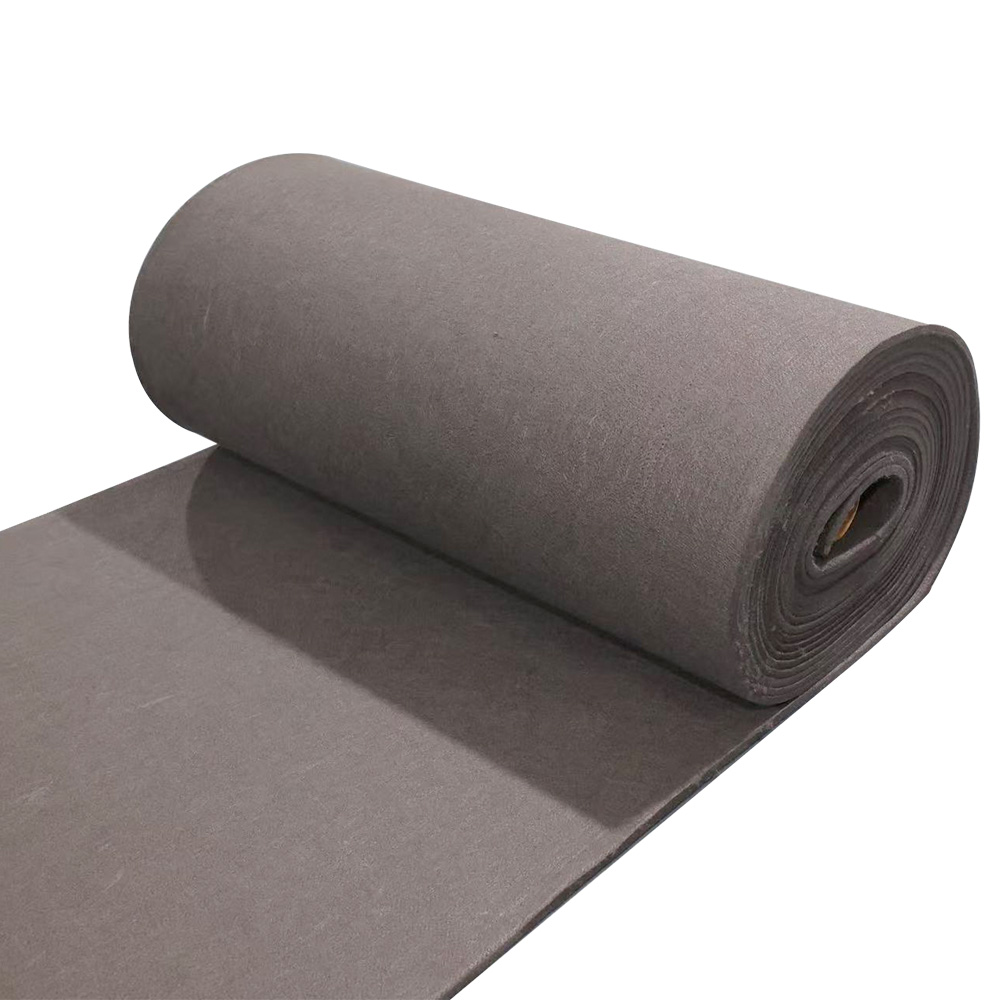
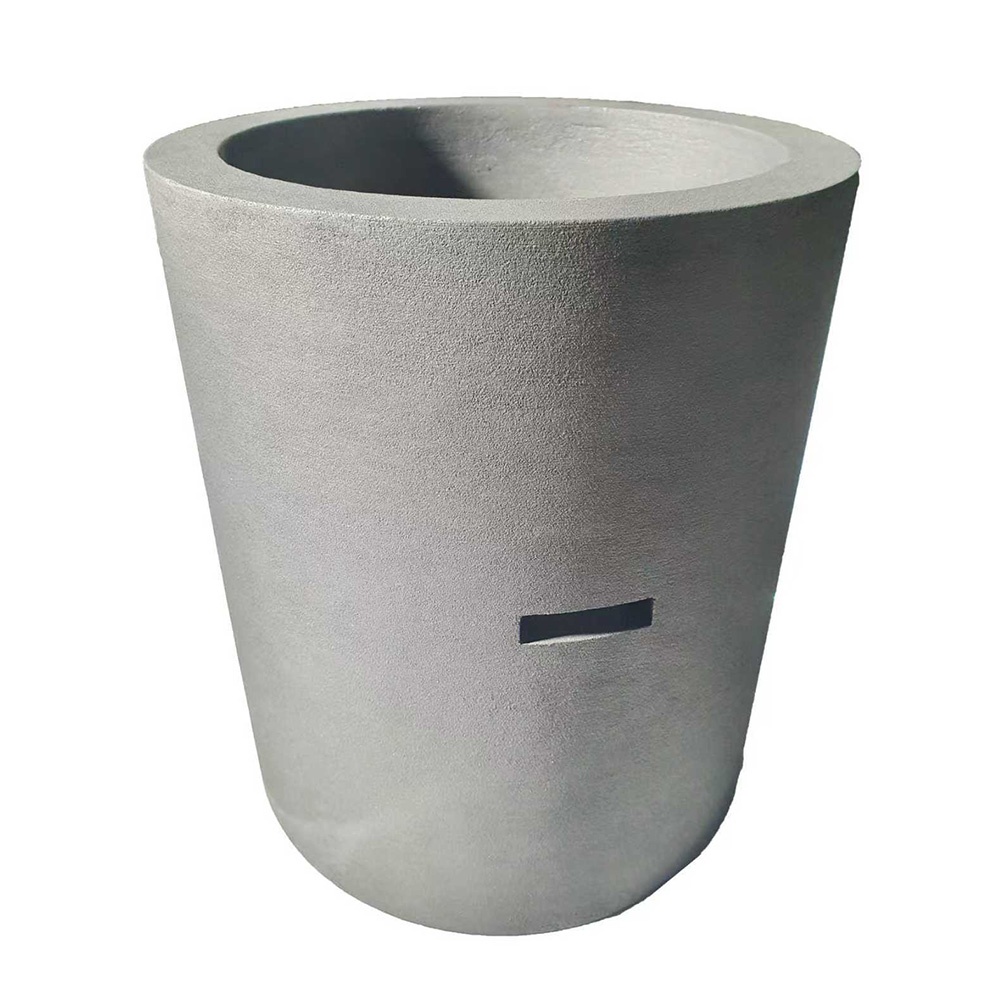
Soft insulation felt and long-fiber hard felt tubes sit at the hot-zone wall of the synthesis furnace, where they hold temperature steady, cut heat loss, and stand up to years of thermal cycling. The application range spans several high-temperature industries, and the performance gap against conventional refractory insulation is what keeps these parts specified.
Lines the hot zone during SiC, GaAs and GaN synthesis, holding the axial gradient that keeps stoichiometry and crystal quality on target.
Retains the high, stable heat needed for metal smelting and refining, reducing radiant loss through the furnace shell.
Delivers the uniform heat distribution ceramic bodies need to sinter evenly without hot spots or warping.
Insulates furnaces used in lithium-ion material synthesis, where consistent thermal profiles affect electrode performance.
Wraps high-heat reaction vessels across general chemical and material-processing lines, protecting outer components from thermal load.
Shapes and holds furnace geometry through repeated heating cycles in heat-treatment and annealing operations.
Stable at extreme furnace temperatures without softening or shrinking · low thermal conductivity trims energy consumption across long production cycles · resistant to wear, abrasion, and chemical corrosion inside aggressive furnace atmospheres · lightweight, flexible sheet or rigid tube form cuts installation time · consistent performance batch after batch keeps furnace downtime low.
Produced from Dehong's own carbon fiber preform and densification lines rather than resold third-party stock, which keeps ash content and metallic impurities within tight limits for purity-sensitive furnaces · felt density, thickness, and tube diameter are matched to the customer's furnace drawing rather than sold off a fixed catalog size · factory-direct supply keeps lead time and pricing competitive at production volume.
Soft insulation felt and hard felt tubes are not a standalone product line — they share the same fiber-to-graphite process foundation that Dehong has refined for a decade across every category on the product range, from crucible holders to furnace heaters. That shared engineering base is what keeps insulation performance consistent furnace after furnace.
The same six-stage production flow used across Dehong's C/C component range is applied to insulation felt and felt tubes, with process parameters tuned for insulation performance rather than structural load.
Carbon fiber is needle-punched or layered into felt sheet or tube form.
Controlled heat treatment converts the precursor fiber to a stable carbon structure.
High-temperature treatment sets thermal stability and lowers residual impurities.
Sheets are cut and tubes are shaped to the target furnace dimensions.
Ash content and metallic impurity levels are checked against the specified grade.
Density, thickness uniformity, and dimensional tolerance are verified before shipment.
Soft insulation felt is flexible and cut to fit flat or curved furnace wall sections, making it suited to zones that need a conformable barrier. The hard felt tube keeps a fixed rigid shape and is used where the insulation surrounds a column, rod, or duct-type component that needs a self-supporting sleeve.
Both materials are designed for continuous use at the high, stable temperatures typical of synthesis furnace hot zones, with the exact ceiling depending on density grade and whether the part is used in vacuum or inert atmosphere versus an oxidizing environment.
Because the felt's thermal conductivity is low, less heat escapes through the furnace wall during a run. Over a full production cycle that reduces the energy needed to hold set-point temperature, with the exact saving depending on furnace size, wall thickness, and run duration.
Yes. Thickness, density, sheet size, and tube diameter and length are matched to the customer's furnace drawing or existing part dimensions, rather than limited to a fixed catalog size.
Semiconductor synthesis tolerates very little metallic contamination, so felt supplied for this use is produced and tested to a tighter ash-content and metallic-impurity limit than standard industrial-grade insulation.
Service life depends on operating temperature, atmosphere, and cycle frequency, but the felt and felt tube are built to resist wear, abrasion, and corrosion so that insulating performance stays consistent across repeated furnace runs rather than degrading after a small number of cycles.