Solar PV Thermal Field Manufacturer

The solar PV thermal field represents one of the most technically demanding environments in modern industrial manufacturing. Silicon crystallization processes — whether for monocrystalline or multicrystalline solar cells — operate at sustained temperatures above 1400°C, subject components to repeated thermal cycling, and demand materials that remain dimensionally stable, chemically inert, and mechanically reliable over thousands of production runs. Carbon-carbon (C/C) composite materials have become the definitive solution for this environment, offering a unique combination of ultra-high-temperature resistance, low thermal mass, excellent thermal conductivity, and near-zero contamination risk to the silicon melt.

Zhejiang Dehong Carbon Fiber Composite Material Co., Ltd., headquartered in the China-Singapore Industrial Park, Jiashan County, Jiaxing City, Zhejiang Province, was founded in December 2021 by a technical team with over ten years of focused experience in carbon-carbon composite manufacturing. The company holds more than 32 patents, has earned ISO 9001 quality management certification, and has been recognized as a High-Tech Enterprise and Zhejiang Provincial Innovative Enterprise. Dehong's solar PV thermal field product line covers every structural, heating, supporting, and insulating position inside both single-crystal and multi-crystalline furnaces. To learn more about the company's background, certifications, and development milestones, visit the About Dehong page.

Why Carbon-Carbon Composites Are Essential in PV Thermal Fields

Silicon ingot and wafer production relies on the Czochralski (CZ) method for monocrystalline silicon and directional solidification systems (DSS) for multicrystalline silicon. Both processes place furnace components under extraordinary stress: temperatures approaching or exceeding 1500°C, vacuum or inert-atmosphere operating conditions, exposure to silicon vapor and silica fumes, and the mechanical load of crucibles containing hundreds of kilograms of molten silicon.

Carbon-carbon composites are manufactured by densifying a carbon fiber preform through chemical vapor infiltration (CVI) or liquid-phase impregnation and pyrolysis (LPI) with a carbon matrix. The resulting material inherits high specific strength from the fiber architecture while the carbon matrix provides thermal conductivity, low thermal expansion, and oxidation resistance suitable for inert and vacuum environments. Unlike graphite — which is isotropic and relatively brittle — C/C composites can be engineered with 2D laminate, 2.5D, or 3D fiber architectures to optimize mechanical performance along specific loading axes. This design flexibility is critical when different components inside a furnace face different stress modes: tension (support rods), bending (heater elements), compression (furnace bases), and shear (fasteners).

A key technical advantage is the near-zero coefficient of thermal expansion (CTE) of C/C composites along the fiber direction, which reduces thermal stress at joints and interfaces during heat-up and cool-down cycles. Components maintain tight dimensional tolerances across thousands of thermal cycles — a property that directly affects crystal quality uniformity and furnace yield rates. For a closer look at how Dehong approaches quality control and process capability, see the Our Capabilities section.

Product Category Overview: Single-Crystal Furnace Components

Monocrystalline silicon production using the Czochralski method demands exceptionally precise thermal field control. The single-crystal furnace thermal field must maintain a stable axial temperature gradient from the melt surface upward to the solidification front, while preventing radial temperature non-uniformity that would cause crystal dislocation. Dehong supplies a complete set of C/C components engineered for this precision environment.

The Carbon Carbon Crucible Holder is a critical load-bearing component that supports the silica crucible containing the silicon melt throughout the growth cycle. It must withstand temperatures above 2500°C, resist the slow deformation (creep) that graphite components experience at sustained high temperatures, and remain chemically stable against silicon vapor. Dehong's crucible holders are fabricated from high-density C/C composites with engineered fiber orientations that maximize compressive strength and minimize radial deformation.

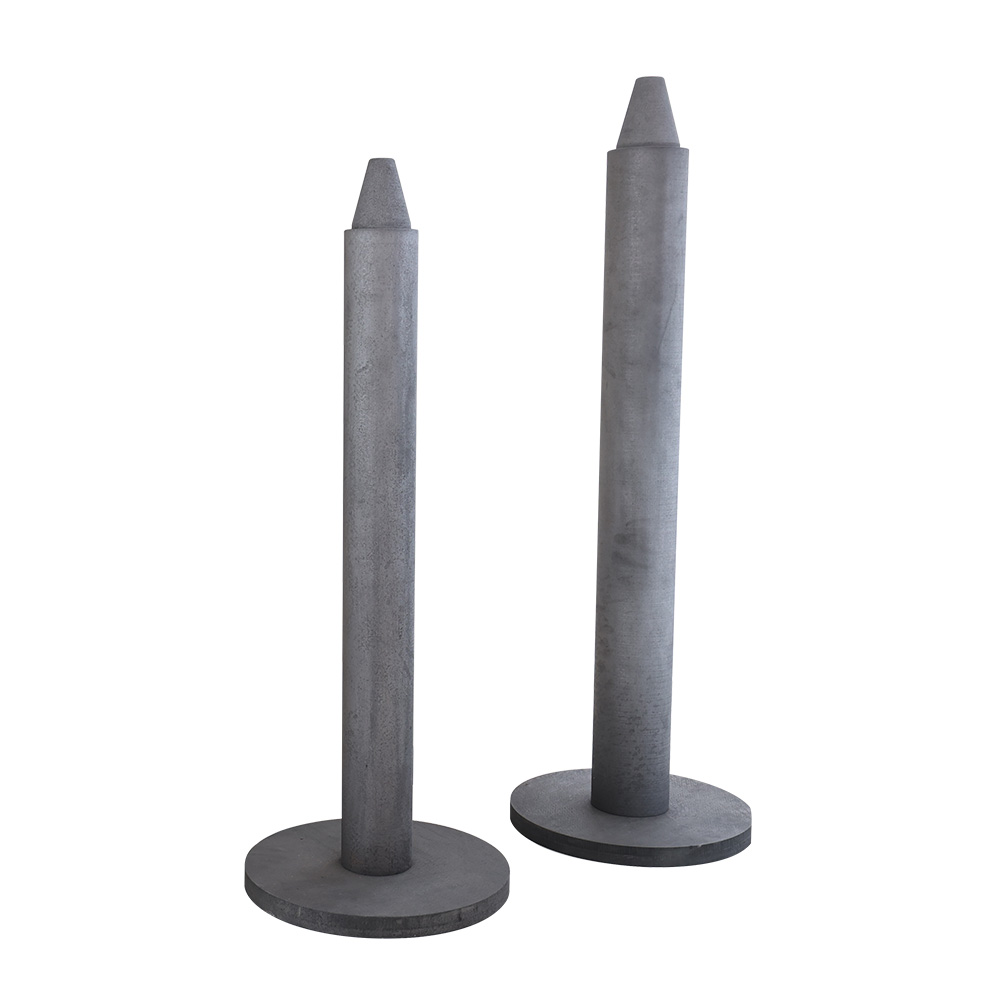
The Carbon-Carbon Support Rod connects the crucible holder to the furnace drive mechanism, transmitting both rotational torque and the vertical load of the crucible assembly. Support rods are available in diameters from 10 mm to 100 mm and lengths from 100 mm to 500 mm, with tensile strength optimized through longitudinal fiber reinforcement. The low mass of C/C versus conventional graphite reduces rotational inertia, improving crystal rotation control accuracy.

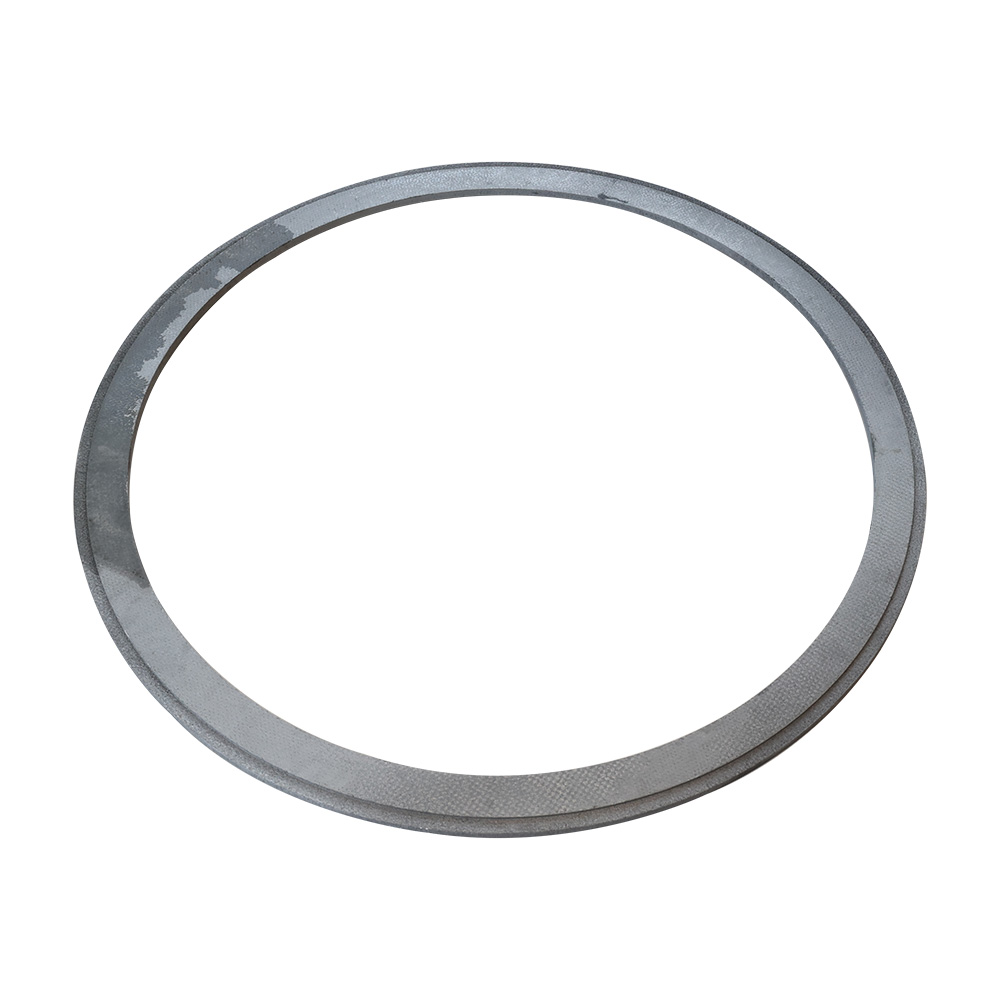
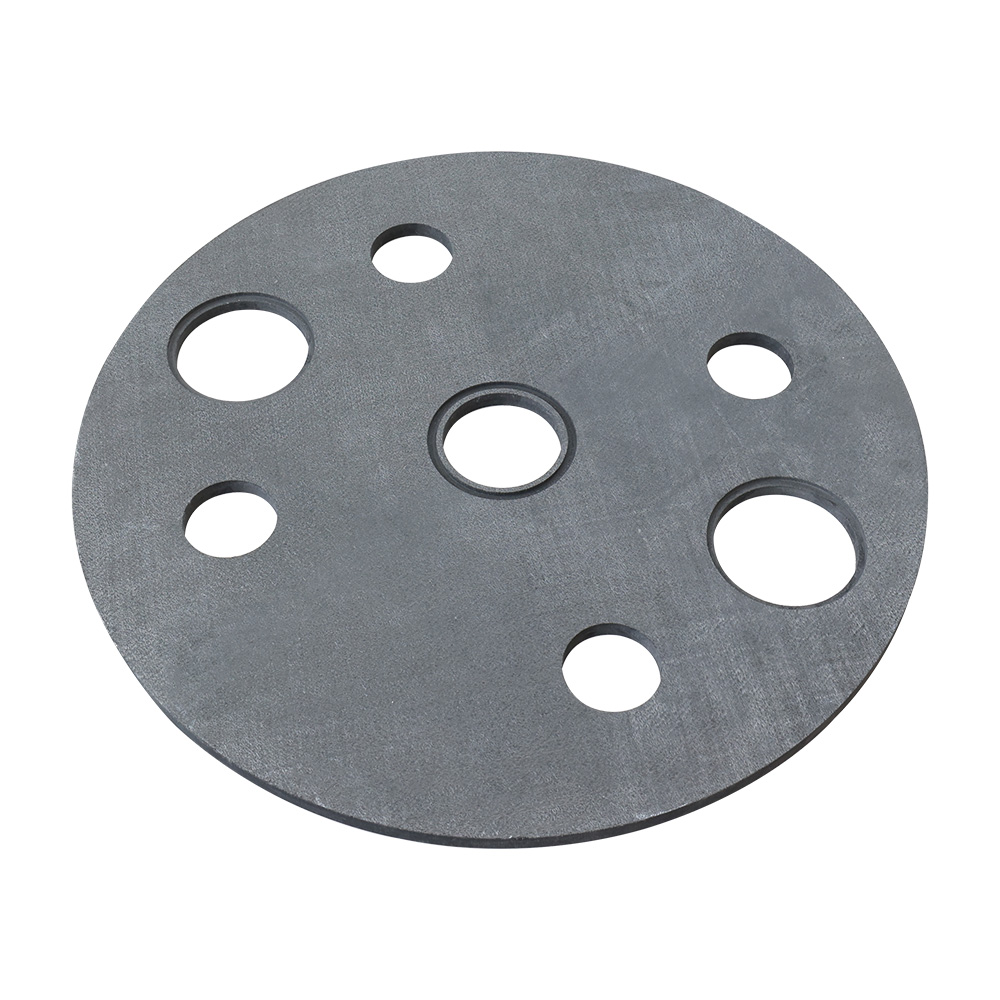
Structural support and lateral positioning of furnace components are handled by the Annular Plate Type carbon-carbon support ring. This ring-shaped component distributes radial loads evenly around the furnace chamber, preventing localized stress concentration that could distort the thermal symmetry of the hot zone. Support rings are customized to specific furnace diameters and designed with a high melting threshold — the C/C material remains solid and stable well beyond 3000°C under inert conditions, far exceeding any operating temperature the furnace reaches.

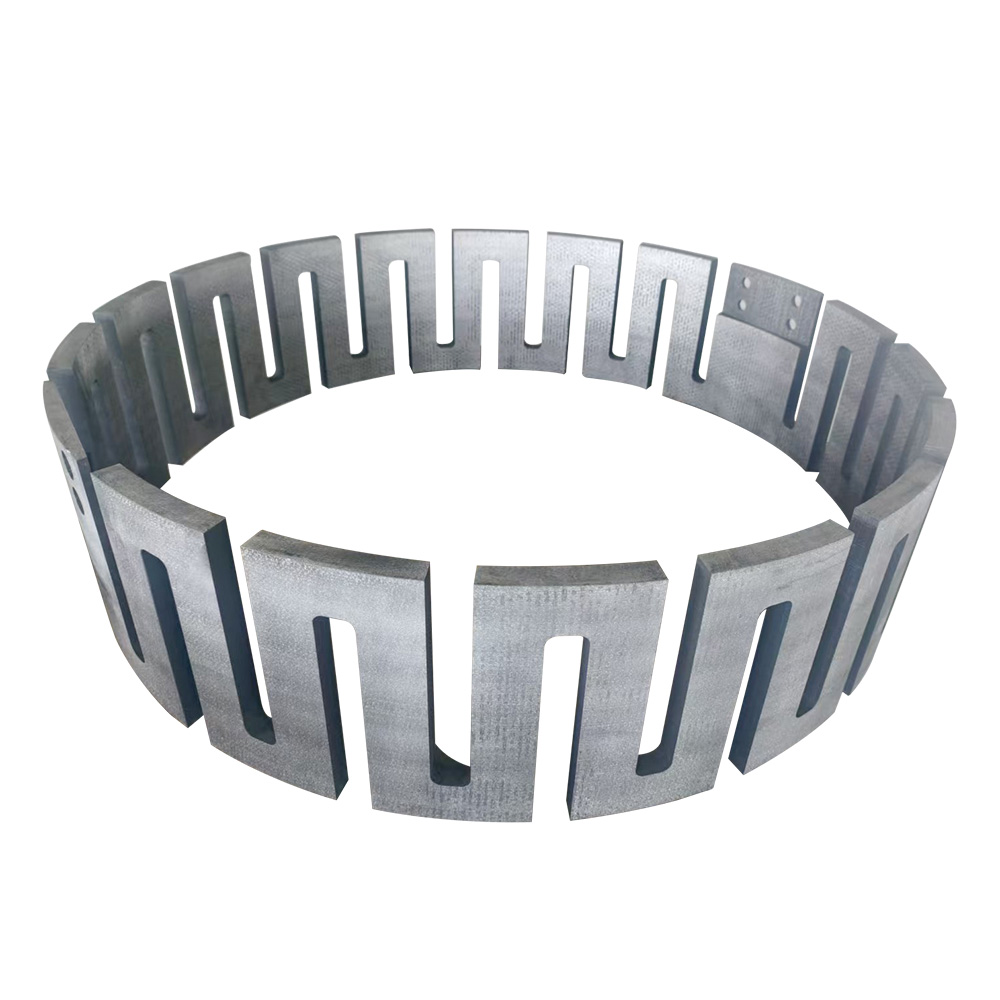
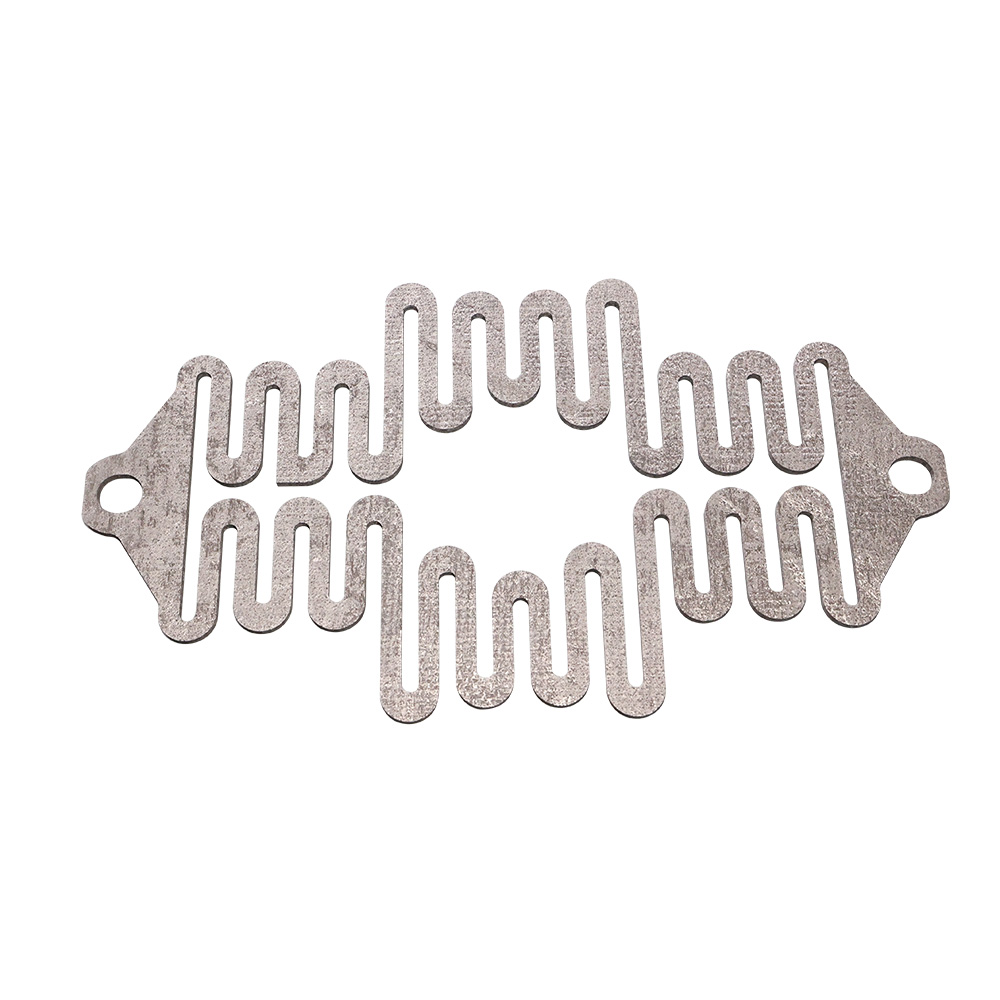
Precise, uniform heating of the silicon charge is provided by the Main Heater, which is the primary electrical resistance heating element in the single-crystal furnace hot zone. The heater's geometry — typically a slotted cylindrical or multi-segment design — controls the radial temperature profile of the melt. Dehong's main heaters are engineered for power ratings from 1 kW to 50 kW, with uniform resistivity along the heating element to avoid hot spots. The C/C material offers a significantly higher service life than conventional graphite heaters in high-cycle production environments because its mechanical integrity is maintained even after repeated thermal excursions.

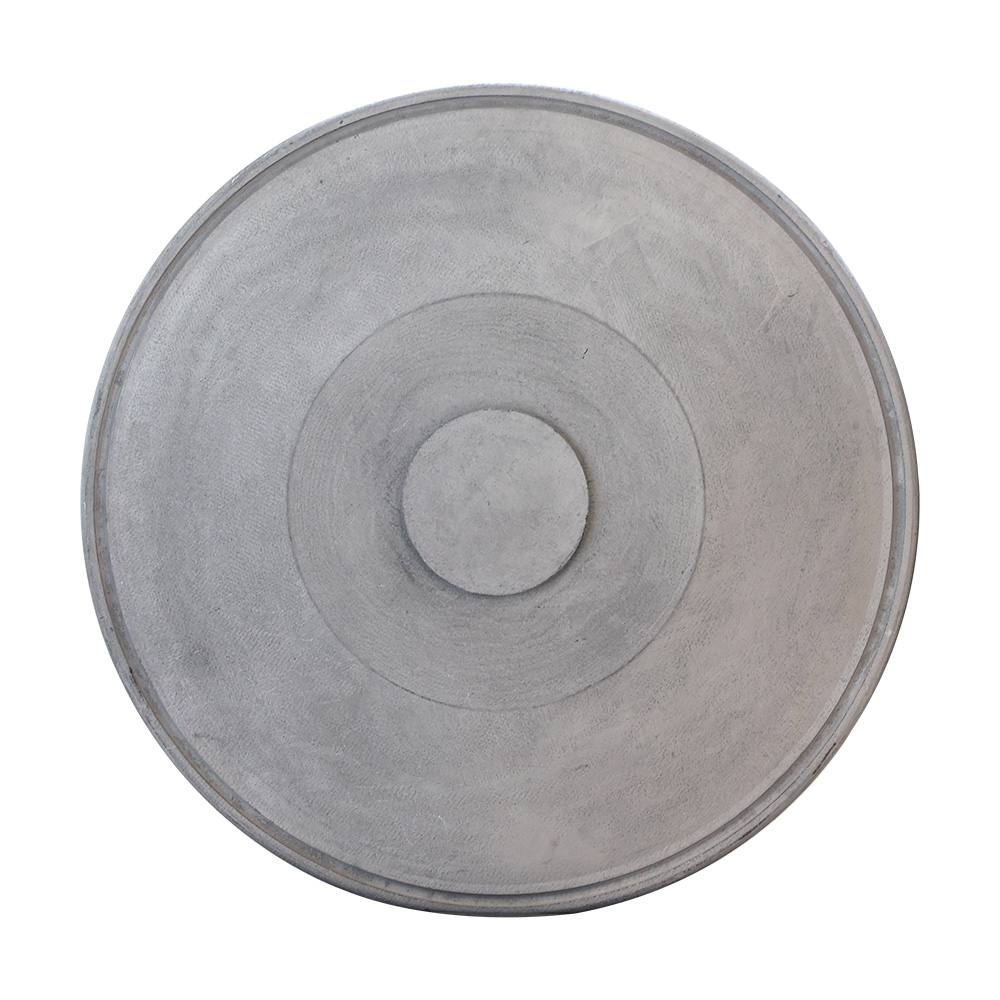
The Carbon-Carbon Furnace Base serves as the foundation of the entire hot zone assembly, supporting weights up to 200 kg while providing thermal insulation between the high-temperature components above and the cooler structural elements below. Its flat, dimensionally stable surface ensures correct alignment of the entire thermal field assembly, which directly affects crystal axis orientation and growth uniformity.

Product Category Overview: Multi-Crystalline Furnace Components

The multi-crystalline furnace — used in directional solidification of silicon — presents a different set of thermal field requirements. Rather than a rotational, pulling process, DSS requires a carefully controlled downward temperature gradient to drive directional solidification from the bottom of the crucible upward. Components must cover large flat surface areas, handle heavy static loads over extended cycle times (typically 50–70 hours per batch), and tolerate the thermal asymmetry that arises from square-format silicon blocks.

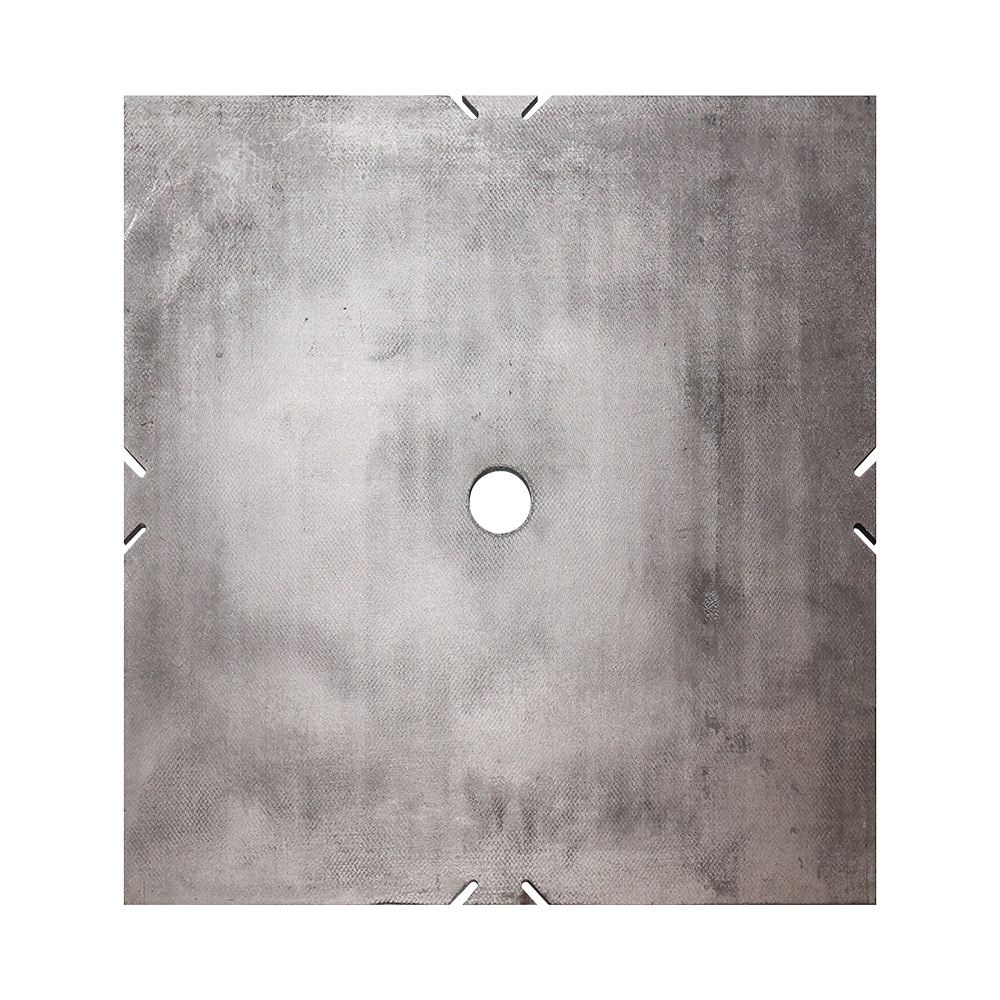
The Carbon-Carbon Cover Plate forms the top closure of the directional solidification furnace hot zone, regulating heat radiation from the top surface of the silicon charge. Its thermal conductivity and emissivity properties directly influence the shape of the solidification front. An improperly designed cover plate introduces convex or concave solidification fronts, which generate crystal defects and reduce minority carrier lifetime in the finished wafers. Dehong engineers the thickness, fiber architecture, and surface finish of the cover plate to match specific furnace designs and silicon block sizes.

The Top Plate is positioned above the cover plate and provides additional thermal management and mechanical load distribution for the furnace lid assembly. It is manufactured from long-fiber C/C laminate, offering both high in-plane strength and controlled through-thickness thermal conductivity. Thickness options range from 5 mm to 30 mm depending on the thermal budget of the specific furnace design.

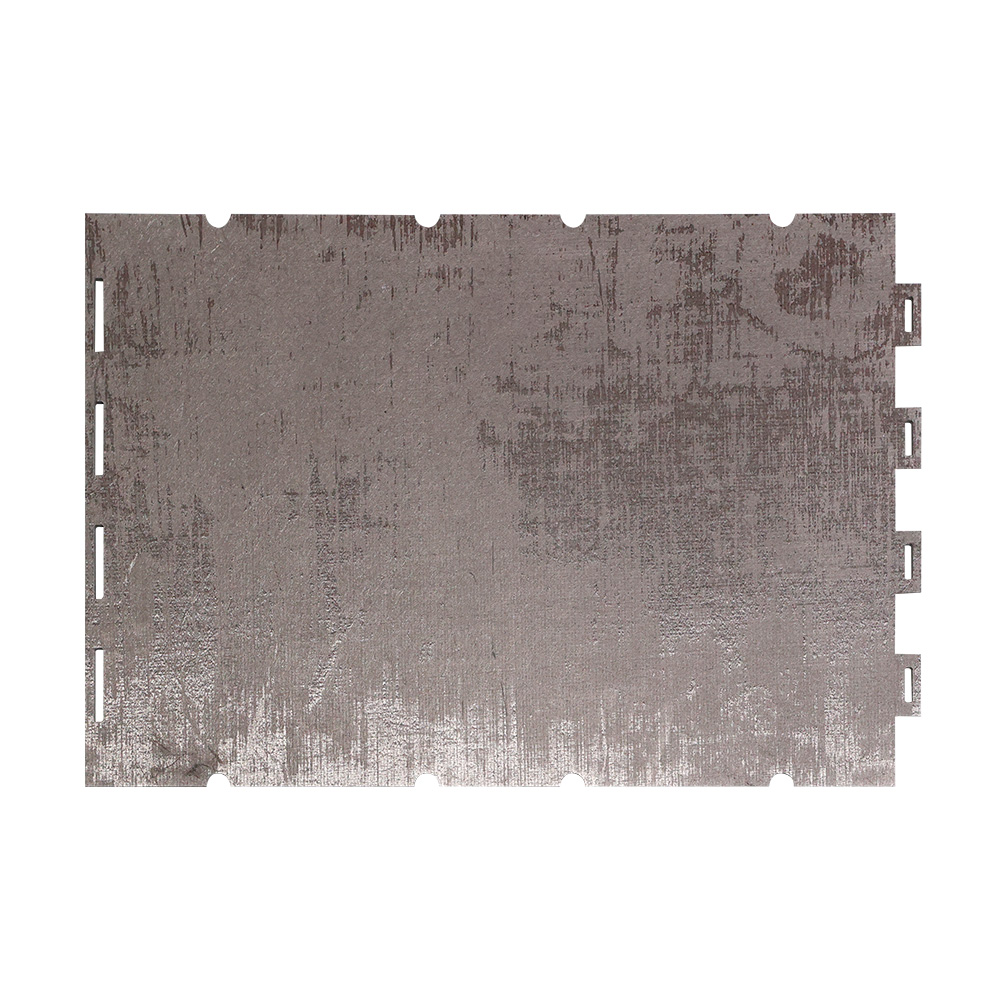
Surrounding the lateral surfaces of the crucible and silicon charge, the Protection Plate — also referred to as the side protection or graphitized carbon plate — controls radial heat loss during solidification. By managing lateral heat flux, the protection plate helps maintain the planar solidification front that is essential for minimizing crystal grain boundaries in multicrystalline silicon. Dehong's protection plates are available in graphitized C/C material with thermal conductivity values between 200 and 300 W/m·K, allowing precise heat flux tuning.

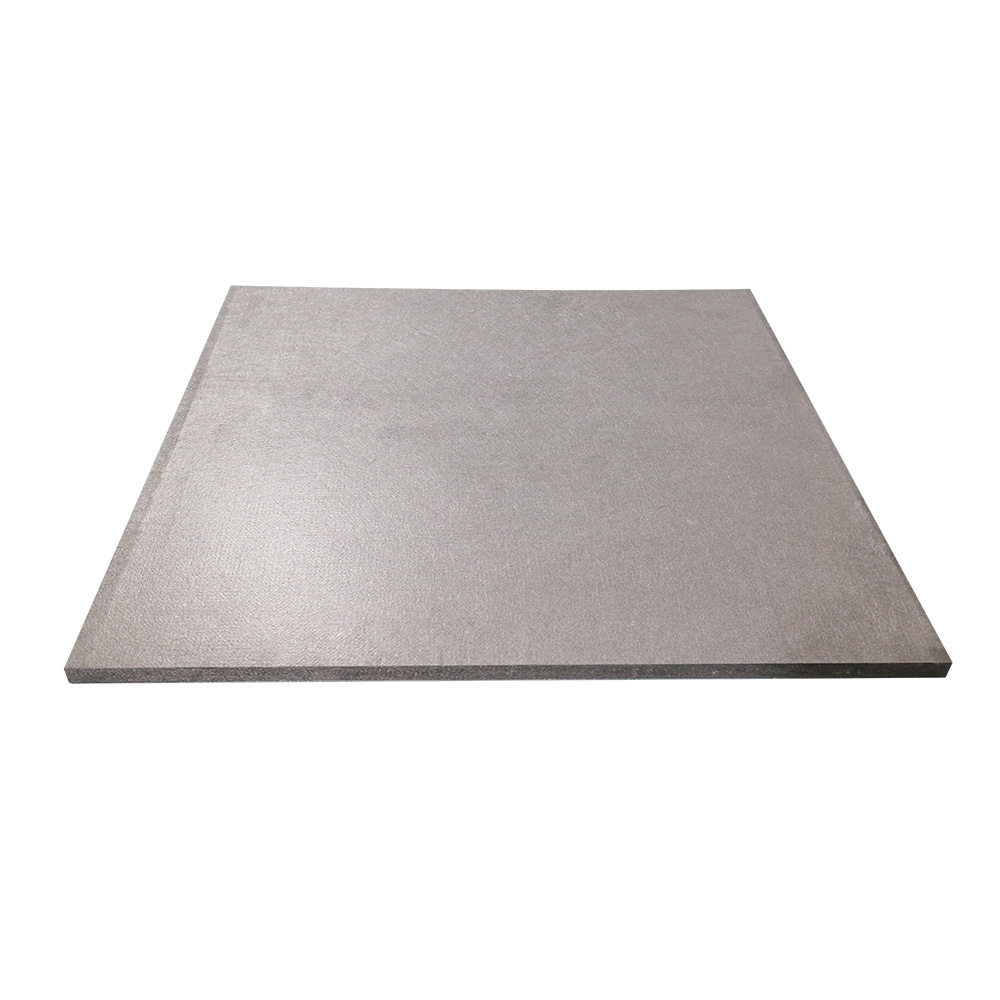
Thermal insulation of the outer furnace envelope is achieved with the Integral Insulation Hard Felt. Unlike soft carbon felt blankets, Dehong's integral hard felt is a rigid, self-supporting structure that maintains its shape and insulation performance after repeated thermal cycling. It is available in thicknesses from 5 mm to 50 mm, with density optimized between 1.2 and 1.6 g/cm³, and a temperature rating up to 2800°C. The rigid format eliminates the risk of delamination or fiber shedding that can contaminate the furnace atmosphere with carbon particulates — a critical consideration in silicon purity management.

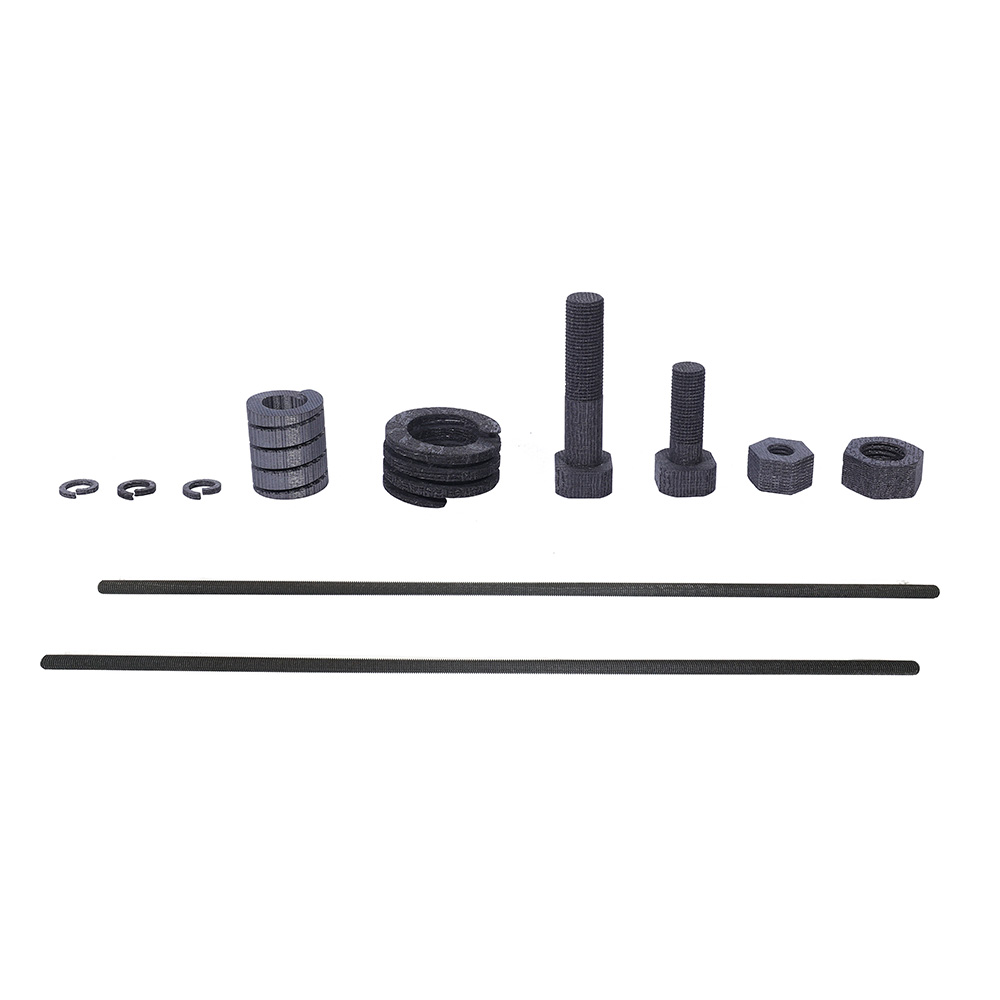
Mechanical assembly of the entire hot zone is secured by C/C Fastener sets — bolts, nuts, and threaded inserts manufactured from carbon-carbon composite. Conventional metal fasteners fail rapidly at furnace operating temperatures due to thermal expansion mismatch and oxidation; C/C fasteners maintain clamping force throughout the thermal cycle and do not introduce metallic contamination. They are rated to 3000°C and are available in a full range of thread standards and head geometries to suit different furnace architectures.

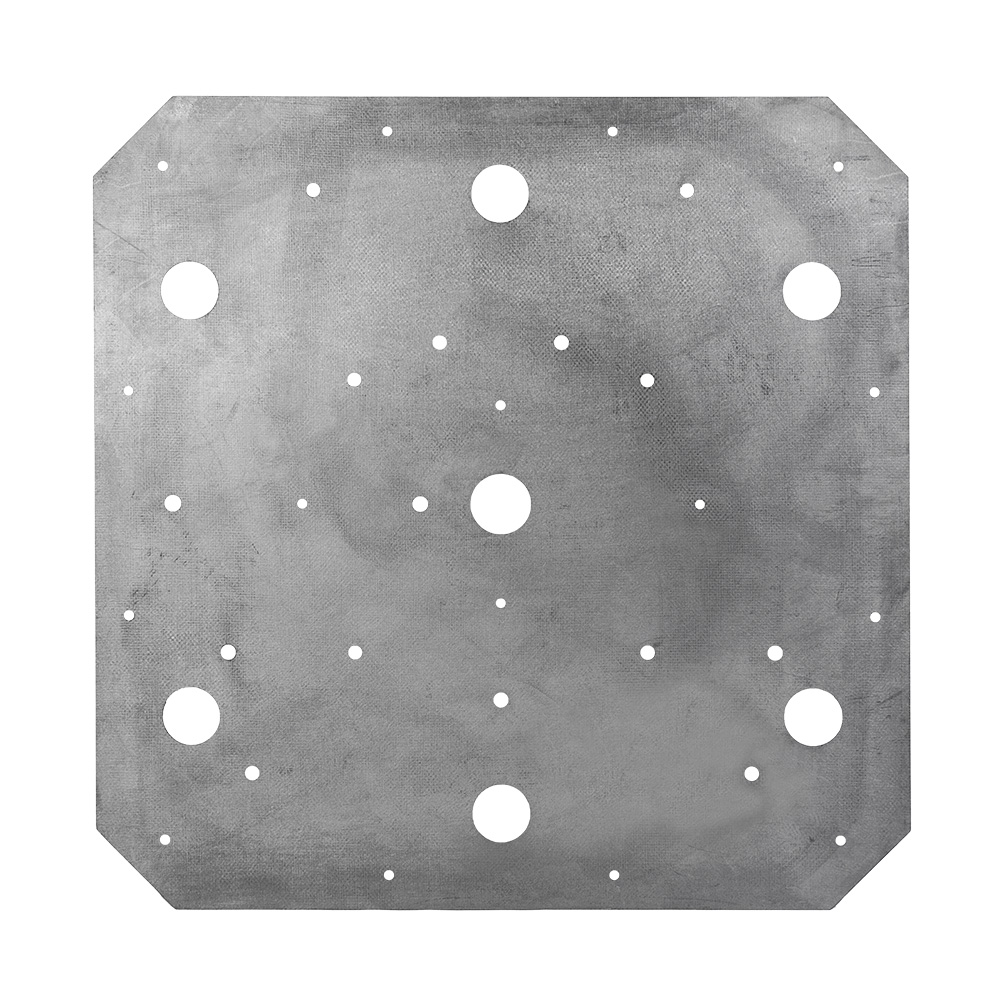
The Carbon-Carbon Bottom Heater is unique to the directional solidification process. Positioned beneath the silicon crucible, it provides bottom-side heat input during the melting phase and is progressively reduced during solidification to generate the downward temperature gradient. Power outputs range from 5 kW to 100 kW. Uniform resistivity distribution across the heater surface is critical: any local resistance variation produces hot or cold spots that distort the solidification front and introduce grain defects into the silicon block.

Core Technical Specifications Summary

All Dehong solar PV thermal field components are produced from carbon-carbon composites with the following baseline material properties, which can be further customized for specific furnace models and production requirements.

Maximum continuous service temperature under inert atmosphere or vacuum: up to 3000°C for structural components; up to 2800°C for insulation felt. Tensile strength in the fiber direction: 200–400 MPa depending on fiber architecture. Compressive strength: 150–300 MPa. Thermal conductivity (in-plane): 150–300 W/m·K for graphitized grades. Coefficient of thermal expansion: 1–3 × 10⁻⁶/K (fiber direction), substantially lower than graphite. Bulk density: 1.5–1.9 g/cm³. Ash content (metallic impurities): below 50 ppm, critical for maintaining silicon melt purity. All components are available in standard dimensions or fully customized to match OEM furnace specifications.

Dehong's manufacturing processes include CVI densification for structural components requiring the highest density and lowest porosity, combined with high-temperature graphitization heat treatment above 2200°C to stabilize material properties and reduce residual stress. Dimensional tolerances of ±0.1 mm are achievable for critical mating surfaces.

Thermal Field Design Considerations for Solar Silicon Manufacturing

The geometry and arrangement of C/C components within the furnace — collectively referred to as the thermal field — determines the quality of the silicon crystal. In single-crystal CZ growth, the key variable is the axial temperature gradient at the melt-crystal interface (G), which controls the ratio of crystal growth rate to temperature gradient (V/G ratio). Defect-free monocrystalline silicon requires maintaining V/G within a narrow window; deviations produce vacancy clusters (D-defects) or interstitial agglomerates (A-defects) that degrade solar cell efficiency. The heater geometry, support ring dimensions, and insulation felt placement all contribute to tuning G for a given crystal diameter.

In DSS multicrystalline growth, the solidification front shape is controlled by the balance between top-side radiation losses (managed by the cover plate and top plate), bottom-side heat withdrawal, and lateral heat leakage (managed by the protection plate and insulation felt). A convex front (warmer at center) promotes better crystal grain structure but increases thermal stress in the solidifying block; a concave front reduces thermal stress but introduces more grain boundaries. Dehong works with customers to optimize component dimensions and material grades for their specific furnace geometry and silicon block size.

To stay current on advances in thermal field materials and solar manufacturing technology, visit the Industry News section of the Dehong website.

Relationship to Other Carbon-Carbon Product Fields

The expertise Dehong develops in solar PV thermal field components informs and strengthens its products across other high-temperature sectors. The battery field applications — including carbon materials for lithium-ion battery manufacturing — share similar requirements for thermal stability, chemical purity, and dimensional precision. The semiconductor field encompasses synthesis furnaces and crystal growth furnaces for compound semiconductors such as silicon carbide (SiC) and gallium arsenide (GaAs), where even tighter purity and temperature uniformity standards apply. The vacuum furnace field covers high-temperature sintering, brazing, and heat treatment applications across aerospace and advanced manufacturing sectors. Carbon fiber preforms that serve as the foundation for all C/C composite products are addressed in the preform field category. This cross-sector capability means Dehong brings deep materials science knowledge to each photovoltaic application, not simply component manufacturing experience.

Quality Assurance and Certification

Every component in Dehong's solar PV thermal field range undergoes multi-stage quality inspection covering raw fiber selection, preform fabrication, CVI densification uniformity, dimensional inspection, surface finish evaluation, and final ash-content analysis for metallic impurity control. The company operates under ISO 9001 quality management systems and has established a Municipal-Level Enterprise Technology Center and Provincial-Level R&D Center to support continuous material and process improvement. Over 32 patents covering carbon-carbon composite manufacturing processes and component designs protect Dehong's technological innovations.

Customers requiring specific qualification data — including material certificates, dimensional inspection reports, and chemical analysis results — can request full documentation packages. For custom furnace configurations, Dehong's engineering team provides thermal simulation support and iterative prototype development prior to full production qualification.

Applications and Target Customers

The primary application for Dehong's solar PV thermal field products is silicon ingot and wafer production for photovoltaic modules, serving solar cell manufacturers producing both PERC monocrystalline and multicrystalline silicon cells. Secondary markets include producers of float-zone (FZ) silicon for high-efficiency solar applications, sapphire crystal growers for LED substrates using similar CZ thermal field designs, and research institutions developing next-generation silicon-based photovoltaic materials.

Target customers include integrated solar cell and module manufacturers, silicon wafer suppliers, crystal growth equipment OEMs requiring qualified component suppliers, and renewable energy companies investing in vertical integration of their silicon supply chains. Dehong's flexible production capability supports both prototype quantities for equipment developers and high-volume supply contracts for large-scale wafer manufacturers.