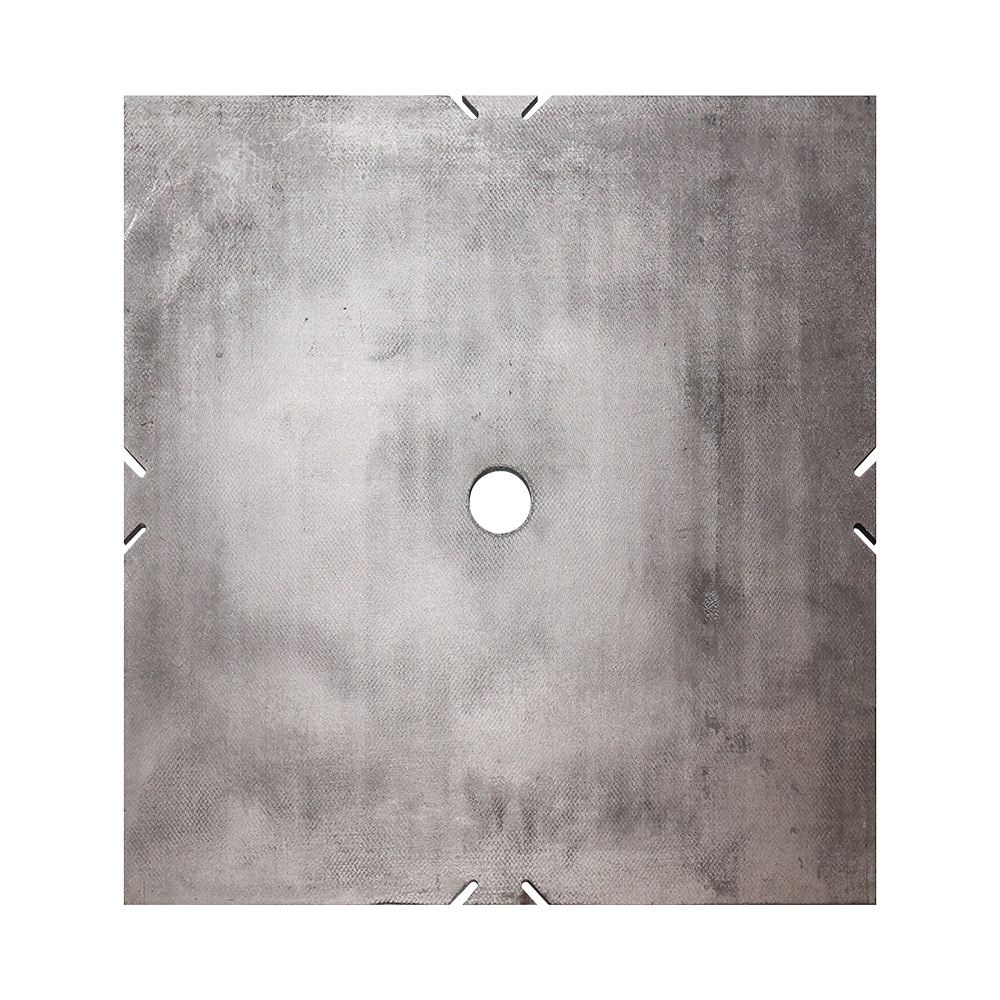
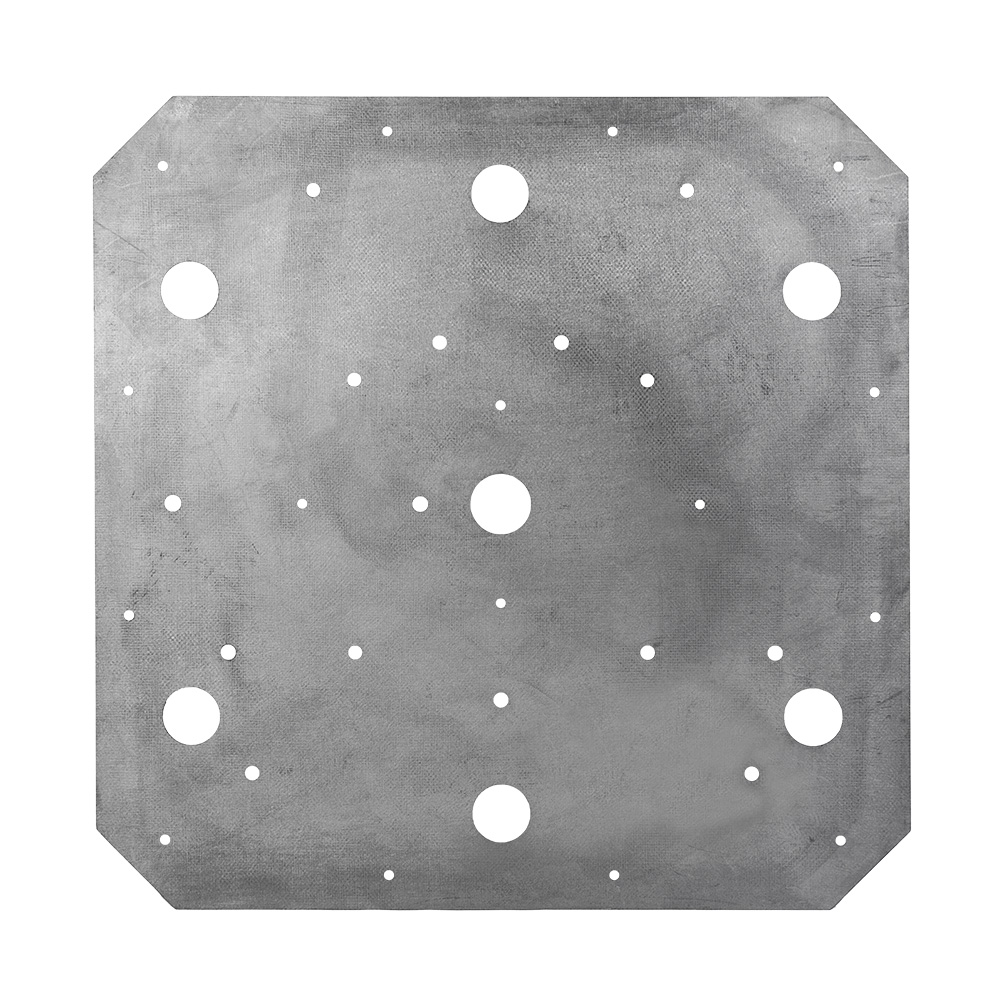
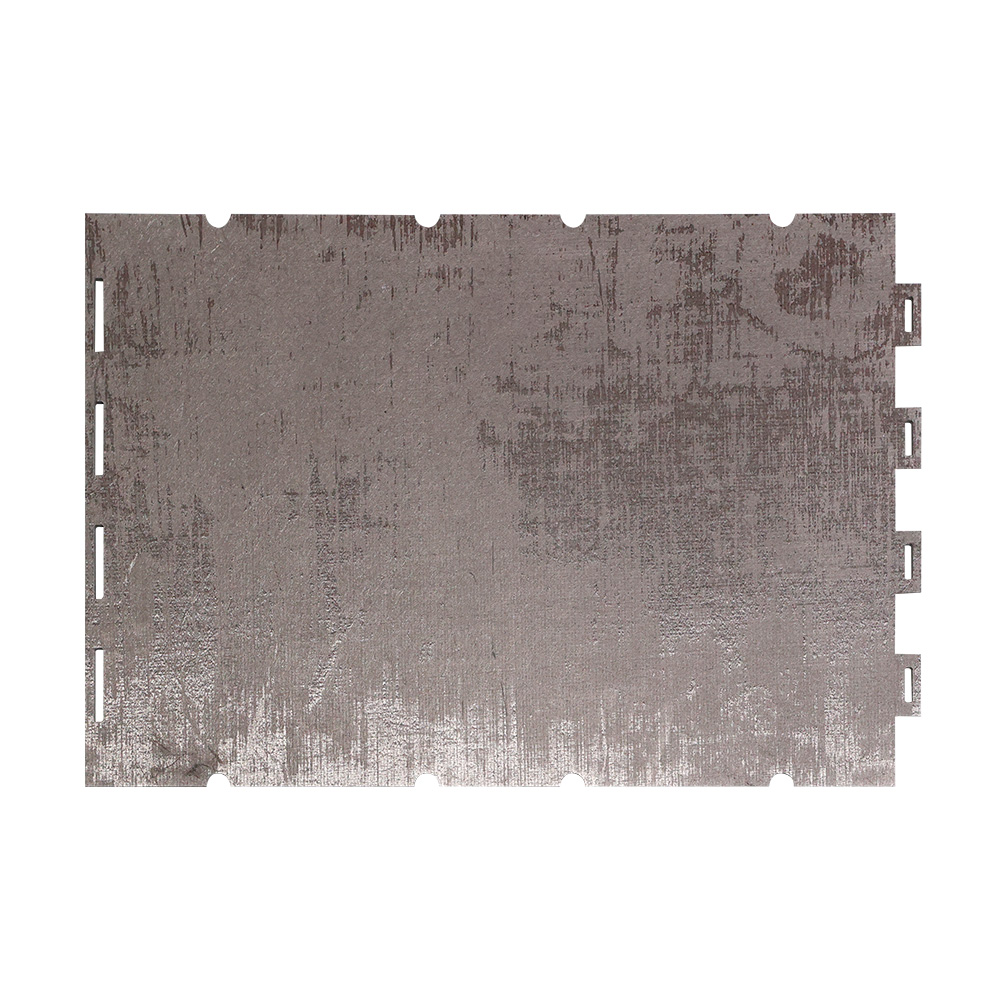
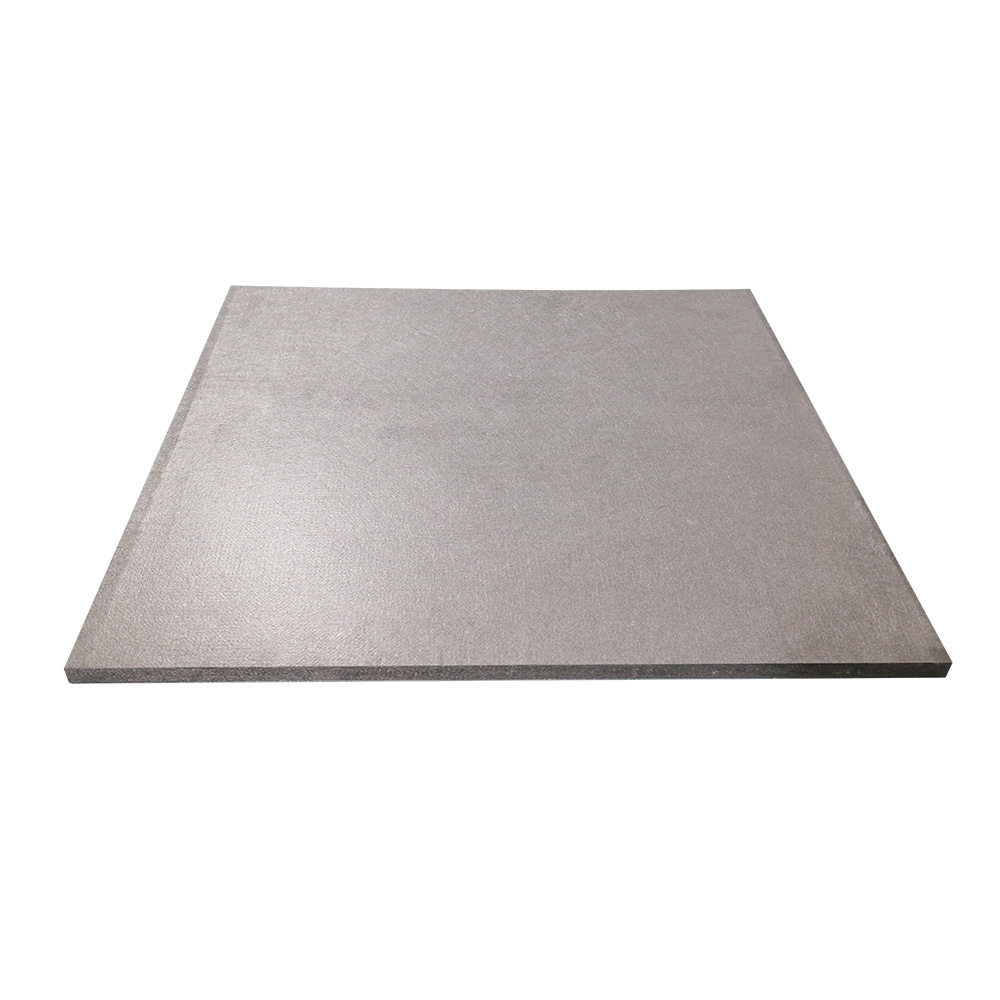
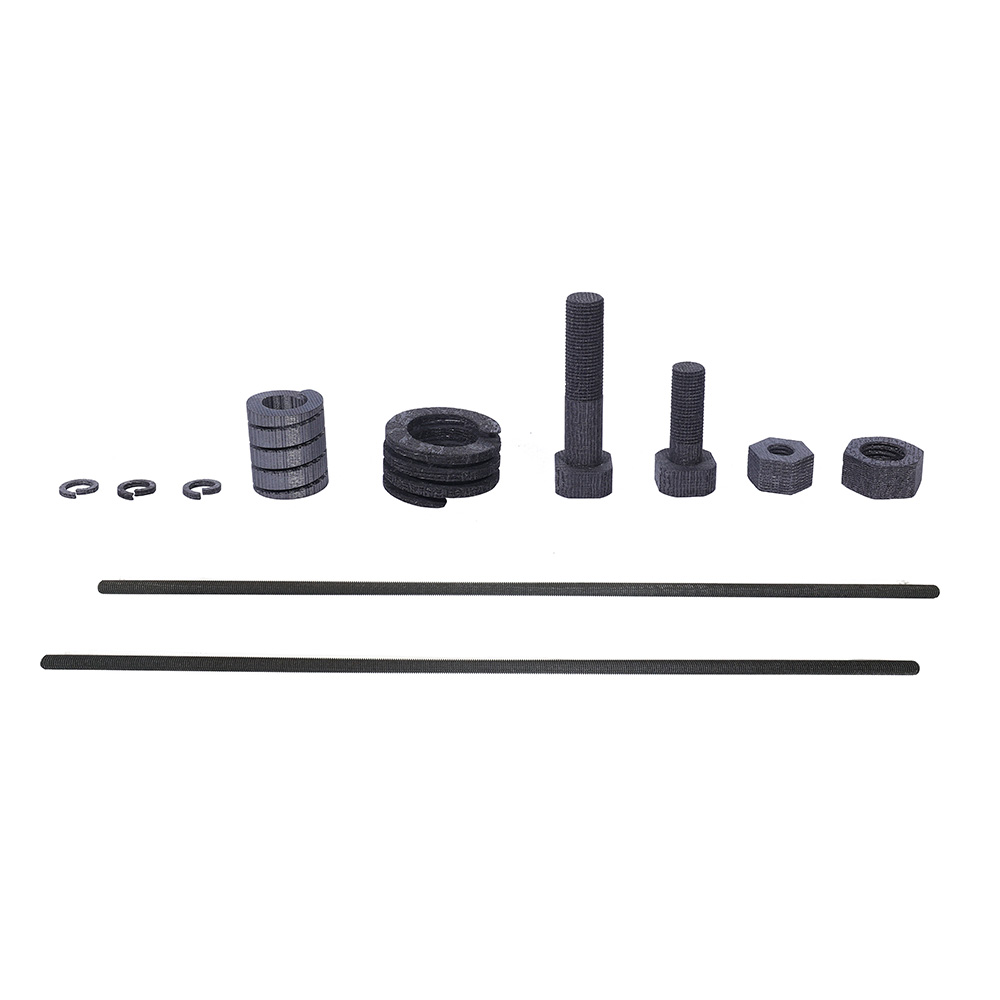
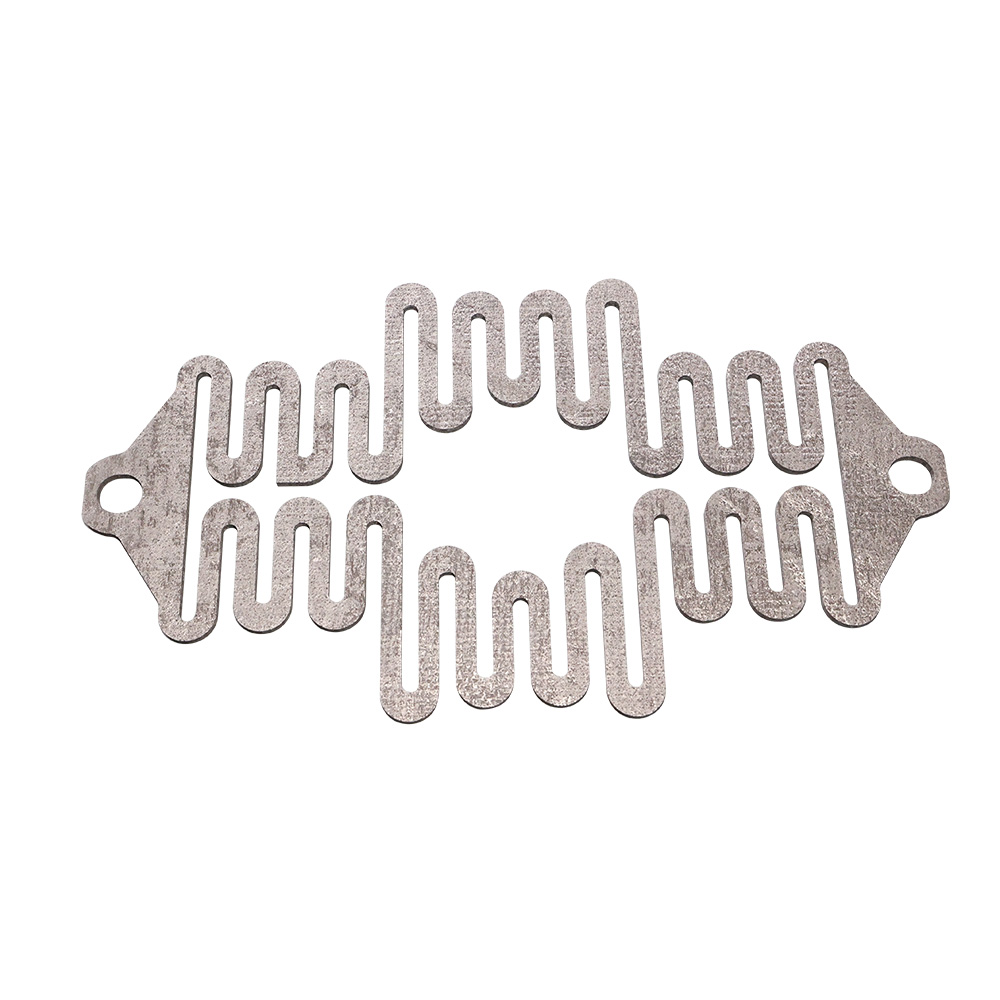
Every component in this category — cover plate, top plate, protection plate, fastener, bottom heater, and integral insulation hard felt — is built around one job: keeping a 50–70 hour directional solidification cycle thermally stable from first heat-up to final cool-down, without introducing contamination into the silicon ingot.
Forms the hot-zone structure that shapes a controlled top-to-bottom temperature gradient during directional solidification, so the solidification front stays flat and grain boundaries stay predictable.
Cover and top plates limit radiative heat loss from the melt surface, helping furnace operators hold the yield and purity levels solar wafer production depends on.
The same low-contamination, high-temperature stability that suits silicon ingots also fits specialty alloy and high-purity crystal casting that require tight thermal control.
Fasteners, base plates, and felt are sized to match existing furnace geometries, making the range a direct fit for hot-zone maintenance and upgrade projects.
Every plate, fastener, and felt part on this page carries forward a decade of accumulated process knowledge — fiber architecture selection, densification cycle control, and graphitization tuning — refined across the full range of furnace fields the company supplies, not designed in isolation for a single product line.
Lessons learned engineering thermal fields for monocrystal pulling, compound semiconductor synthesis, and vacuum sintering feed directly back into how multi-crystalline furnace parts are designed and toleranced.
Ten years of matching 2D, 2.5D, needled, and 3D fiber layups to specific load directions means each plate and fastener geometry is chosen for how it will actually be loaded in service, not a single generic layup.
Long-running work with silicon and compound-semiconductor customers has shaped strict ash-content and impurity controls that carry over into every insulation felt and structural part supplied here.
Preform design, densification, graphitization, and machining are handled in-house end to end, so process changes made to improve one component can be applied consistently across the whole category.
Each component moves through the same six-stage process, with in-line testing at every stage so a cover plate, fastener, or felt part leaving the factory has already been checked against the same specification it was designed to.
Carbon fiber is woven, needle-punched, or filament-wound into the target plate, ring, or fastener geometry.
Chemical vapor infiltration and pitch/resin impregnation fill the preform with carbon matrix over multiple cycles.
Heat treatment at 2200–2800°C converts the matrix to ordered graphitic carbon, raising conductivity and relieving stress.
SiC / TiC or multilayer anti-oxidation coatings are applied for parts exposed to air at elevated temperature.
Diamond tooling cuts threads, bores, and contours to final tolerance without delaminating fiber bundles.
Density, porosity, flexural strength, thermal conductivity, ash content, and dimensional checks confirm every batch against spec.
Production runs under ISO 9001 quality management, supported by a Municipal-Level Enterprise Technology Center and Provincial R&D Center. Customer drawings, OEM part numbers, or performance targets (temperature, load, atmosphere) are matched to a material grade and dimensional spec before tooling begins.
Why use carbon-carbon composite instead of graphite in a multi-crystalline furnace?
C/C composite handles thermal shock and repeated heating cycles better than isostatic graphite because the fiber structure arrests crack growth instead of letting it spread. For parts that go through hundreds of directional-solidification cycles, this generally means a longer service interval and fewer unplanned replacements than an all-graphite hot zone.
How long do C/C fasteners, plates, and heaters typically last?
Service life depends on cycle count, peak temperature, and atmosphere control, but properly installed C/C components are engineered to retain mechanical integrity across thousands of thermal cycles — well beyond what conventional metal fasteners can manage at the same temperature range.
Can insulation felt and plate thickness be customized to fit an existing furnace?
Yes. Thickness, density, and outer dimensions are adjusted to match the customer's hot-zone drawings or existing OEM part numbers, so replacement parts can be fitted into a furnace that is already in service without a full hot-zone redesign.
What causes contamination in polycrystalline silicon ingots, and how do these components help?
Metallic impurities most often enter the melt from fasteners, supports, or furnace hardware that shed particulates at high temperature. Because C/C components are pure carbon with tightly controlled ash content, they remove one of the main contamination pathways that affect ingot purity and downstream wafer yield.
What temperature range are these components rated for?
Structural parts such as fasteners and plates are rated for continuous service up to roughly 3000°C, while insulation felt is typically rated up to about 2800°C — both well above the working temperature of a standard directional solidification cycle.
How does the ordering and customization process work?
Customers typically share furnace drawings, OEM part numbers, or target operating parameters (temperature, load, atmosphere). These are matched to a specific material grade, density, and dimensional spec before production tooling is set up, so the finished part is built to fit the intended furnace position from the start.