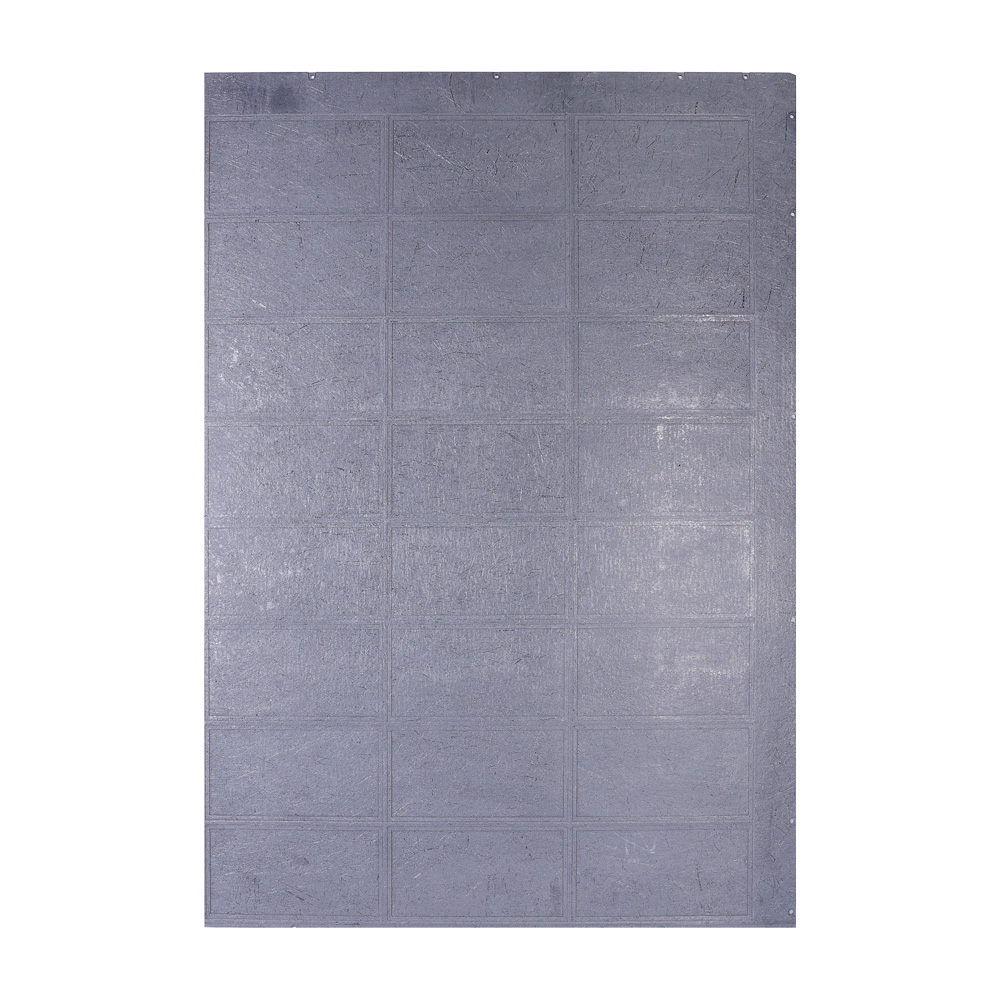
Carbon Carbon Composites: Complete Industry Knowledge Guide

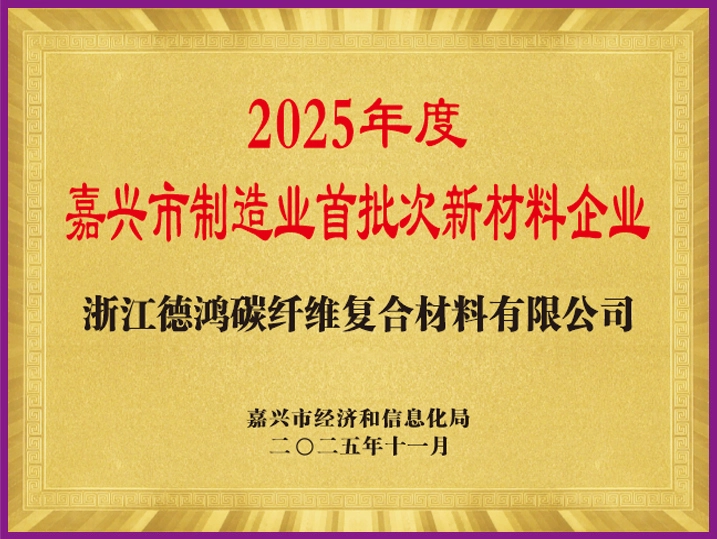
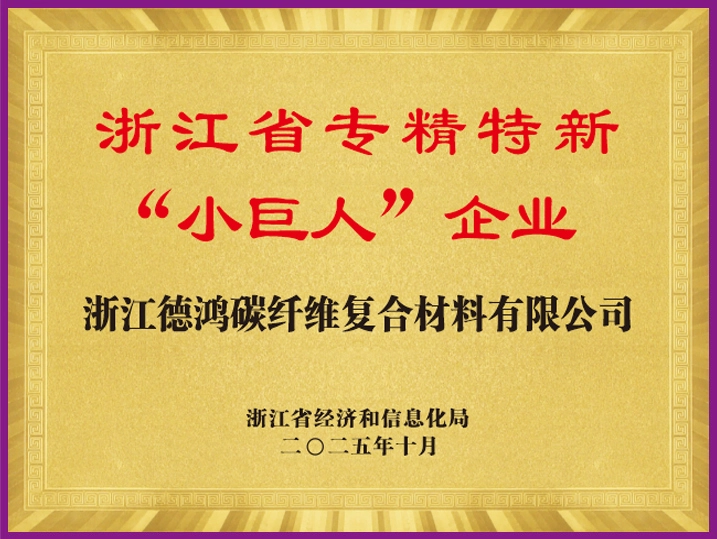
Carbon carbon composites (C/C composites) represent one of the most technically advanced material categories in modern industrial manufacturing. Built from a carbon fiber reinforcement embedded in a carbon matrix, these materials deliver performance that no metal, ceramic, or polymer can match in extreme thermal and mechanical environments. This guide covers the full technical landscape — from manufacturing principles to real-world application fields — and reflects the product expertise of Zhejiang Dehong Carbon Fiber Composite Material Co., Ltd., a leading factory and manufacturer specializing in high-performance C/C composite components.

What Are Carbon Carbon Composites?

Carbon carbon composites are engineered materials in which carbon fibers serve as the structural reinforcement within a pure carbon matrix. Unlike carbon fiber reinforced polymers (CFRP), which use resin as the binding phase, C/C composites eliminate all non-carbon phases, enabling them to function at temperatures exceeding 2500°C in inert or vacuum environments without structural degradation.

The key distinction of C/C composites is that both the fiber and the matrix are chemically identical — carbon — yet their microstructural forms differ. Fibers provide tensile strength and stiffness, while the matrix transmits load between fibers, fills void space, and governs thermal transport. The combination creates a material that is simultaneously lightweight, thermally conductive, dimensionally stable, and mechanically robust under conditions that would destroy most engineering materials.

Manufacturing Process: How C/C Composites Are Made

Understanding the manufacturing process is essential for evaluating product quality, density, and mechanical performance.

Step 1 — Preform Fabrication

Carbon fiber preforms are constructed by weaving, needle-punching, or filament winding carbon fiber bundles into the target shape. The fiber architecture (2D laminate, 3D woven, needled felt) directly determines mechanical anisotropy. Preform field products from Dehong include customized fiber architectures designed for specific thermal and mechanical load directions.

Step 2 — Densification

Densification fills the void space in the preform with a carbon matrix. Two main routes exist:

Chemical Vapor Infiltration (CVI): Hydrocarbon gases (typically propane or methane) decompose at elevated temperature inside the preform, depositing pyrolytic carbon (PyC) within the pore network. CVI produces a highly ordered, graphitizable PyC with excellent thermal conductivity but requires multiple cycles over weeks or months to reach target density.

Liquid Phase Impregnation (LPI): Thermoset resins or coal tar pitch are infiltrated under pressure, then carbonized at 800–1000°C. Multiple impregnation-carbonization cycles reduce porosity progressively. Pitch-based LPI typically yields higher carbon yield and density than resin-based routes.

Hybrid CVI + LPI: Most industrial-grade components combine both routes — LPI for bulk densification followed by CVI for surface pore closure and microstructure refinement.

Step 3 — High-Temperature Graphitization

Post-densification, components are heat treated at 2200–2800°C under inert gas. This graphitization step converts turbostratic carbon to well-ordered graphitic carbon, improving thermal conductivity, reducing electrical resistivity, and relieving residual stress. Components destined for use above 2000°C require full graphitization to prevent in-service structural changes.

Step 4 — Anti-Oxidation Coating (Optional)

Unprotected C/C composites begin oxidizing in air above ~400°C. For applications involving oxygen exposure, SiC, TiC, or multilayer HfC/SiC coatings are applied by CVD or pack cementation. For vacuum furnace and semiconductor applications — where no oxygen is present — uncoated C/C components are standard.

Final Density Range: Typical finished density for industrial C/C composites ranges from 1.60 to 1.95 g/cm³, with bulk open porosity below 5%.

Core Technical Properties

Property Typical Value Significance
Density 1.60 – 1.95 g/cm³ ~25% of steel density; structural efficiency
Max service temperature (inert) Up to 2600°C Enables high-temperature furnace applications
Thermal conductivity (in-plane) 80 – 350 W/m·K Efficient heat distribution in heating elements
CTE (in-plane) 0 – 2 × 10⁻⁶ /K Near-zero expansion; dimensional stability under cycling
Flexural strength 80 – 300 MPa Load-bearing in structural components
Compressive strength 100 – 400 MPa Supports heavy melt charges in crystal growth
Thermal shock resistance Excellent Survives rapid heating/cooling cycles
Chemical inertness High (in inert/vacuum) Compatible with molten silicon, metals, and reactive gases

The near-zero coefficient of thermal expansion (CTE) is particularly critical. Components such as carbon carbon furnace bases and cover plates must maintain precise dimensional tolerances across thousands of thermal cycles. C/C composites deliver this stability where graphite, metals, and ceramics cannot.

Product Categories and Application Fields

Zhejiang Dehong's product range spans five major industrial fields, each presenting distinct technical requirements.

1. Photovoltaic Field

Silicon ingot production for solar cells is one of the most demanding thermal environments in modern manufacturing. Czochralski (CZ) single-crystal growth and directional solidification for multi-crystalline silicon both require components that endure prolonged exposure above 1500°C in argon atmospheres while maintaining dimensional integrity and chemical purity.

Photovoltaic field products from Dehong address every stage of the silicon melt zone:

Carbon Carbon Crucible Holders: Support the quartz crucible containing molten silicon. Must resist creep at high temperature and transmit load uniformly to avoid crucible stress fractures. C/C material eliminates the metal contamination risk associated with steel supporters at process temperatures.

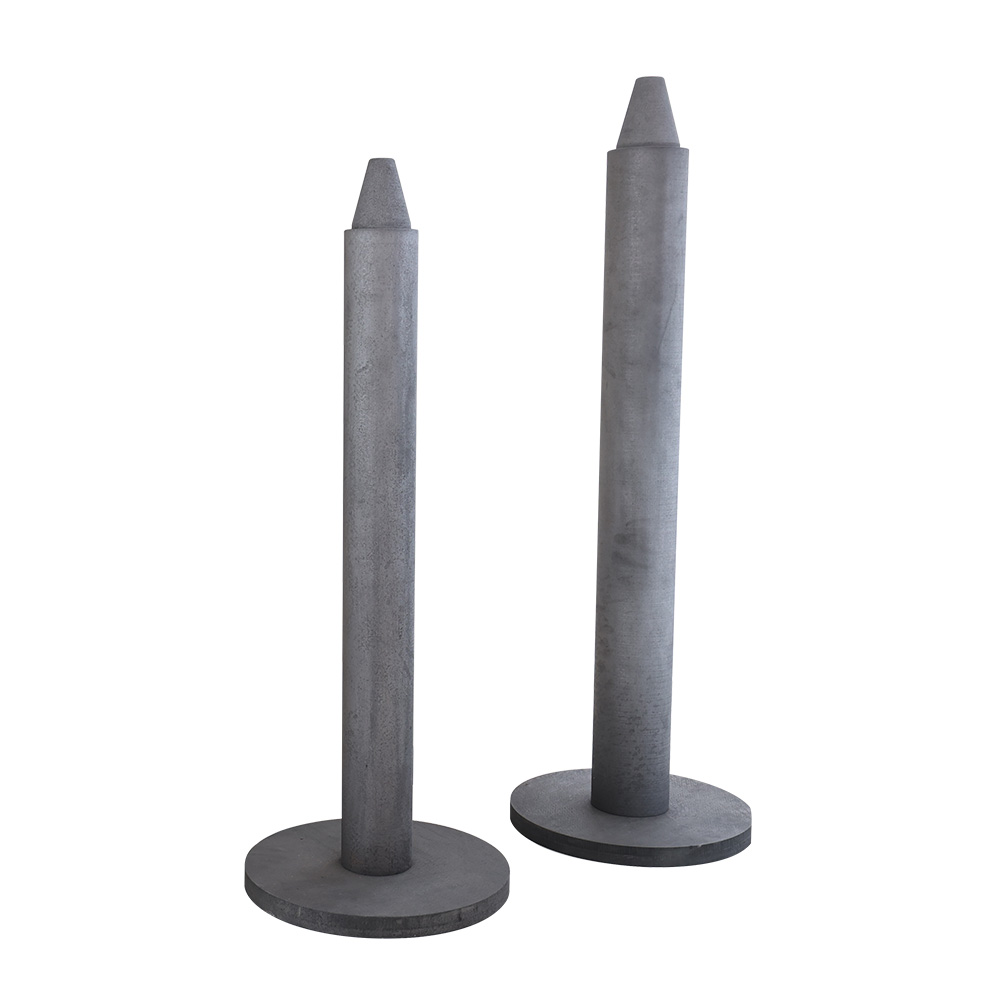
Carbon Carbon Support Rods: Axial load-bearing members connecting the crucible assembly to the furnace drive mechanism. Require high compressive strength and low CTE to maintain shaft alignment during thermal cycling.

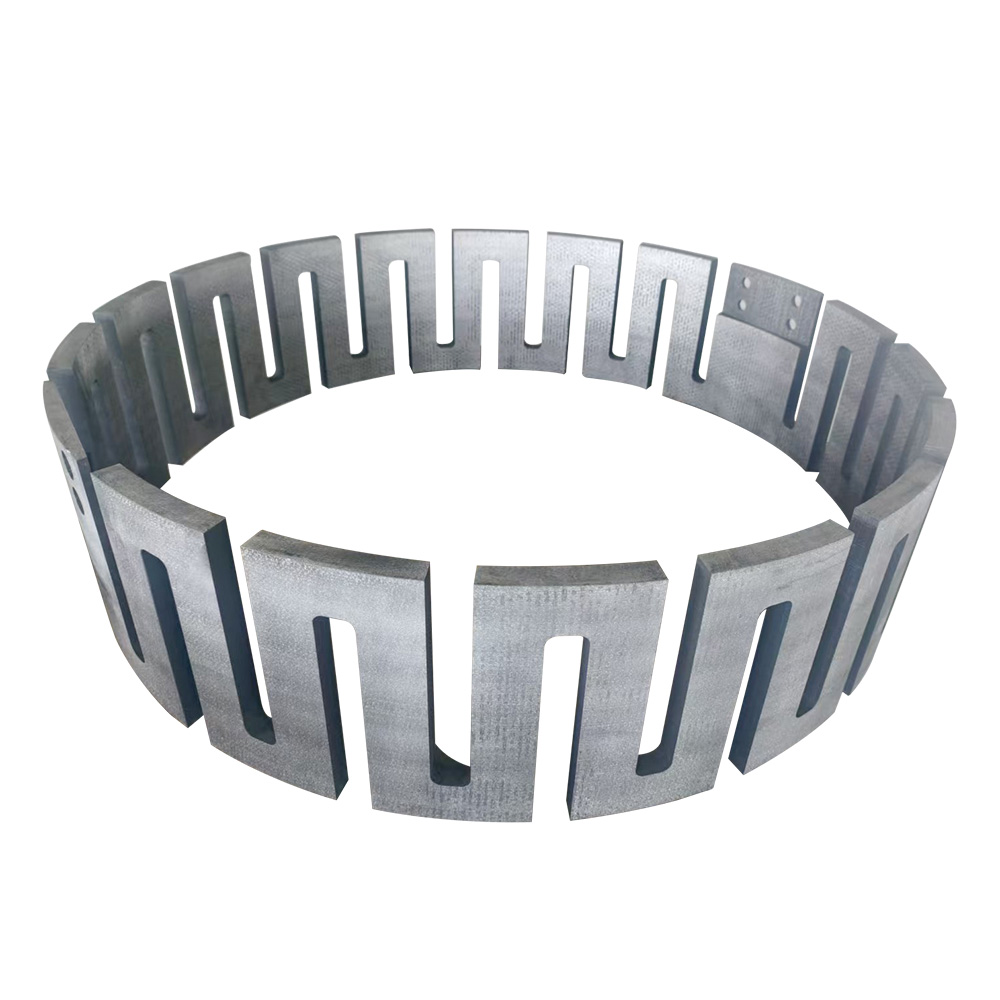
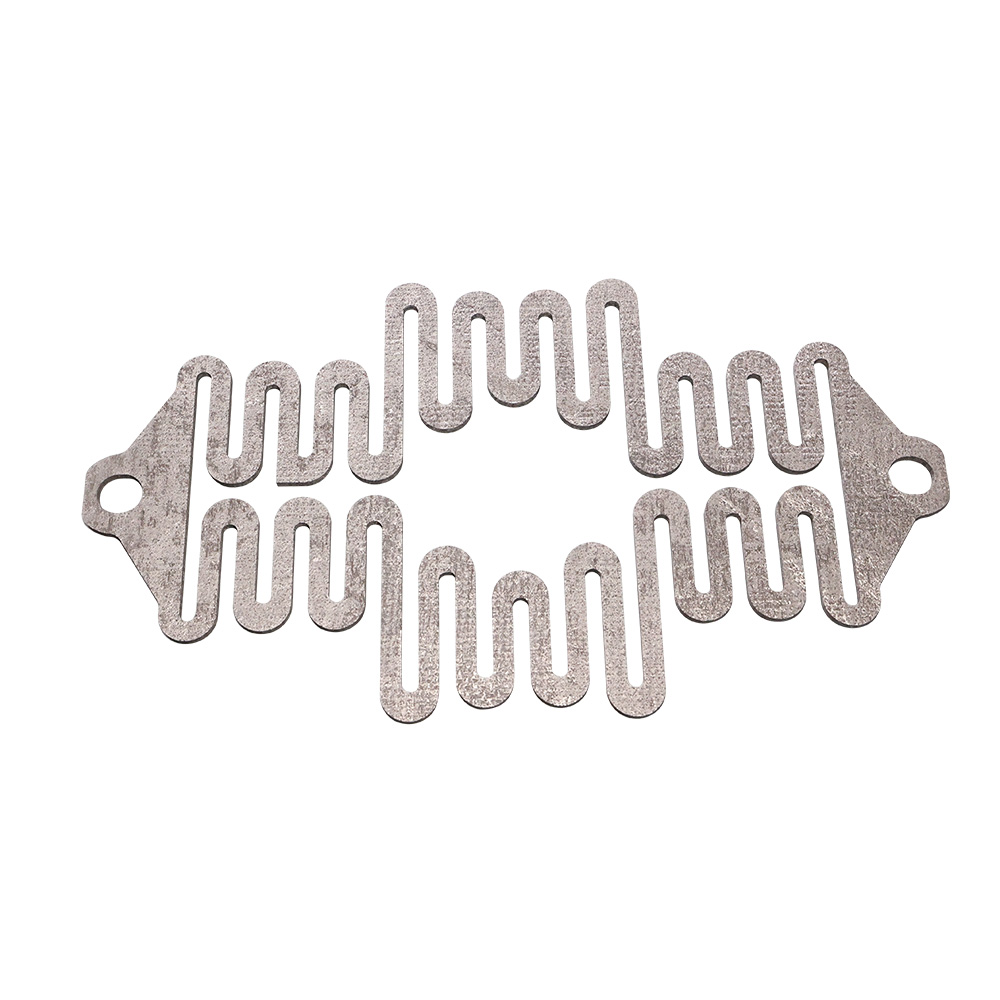
Main Heater / Single Crystal Furnace Heater: Resistive heating elements that generate the precise, uniform temperature field required for crystal growth. C/C heaters outperform graphite in thermal shock resistance and have longer service life under repeated thermal cycling.

Carbon Carbon Bottom Heater: Provides supplemental heat from below the crucible to maintain melt uniformity and reduce radial temperature gradients that degrade crystal quality.

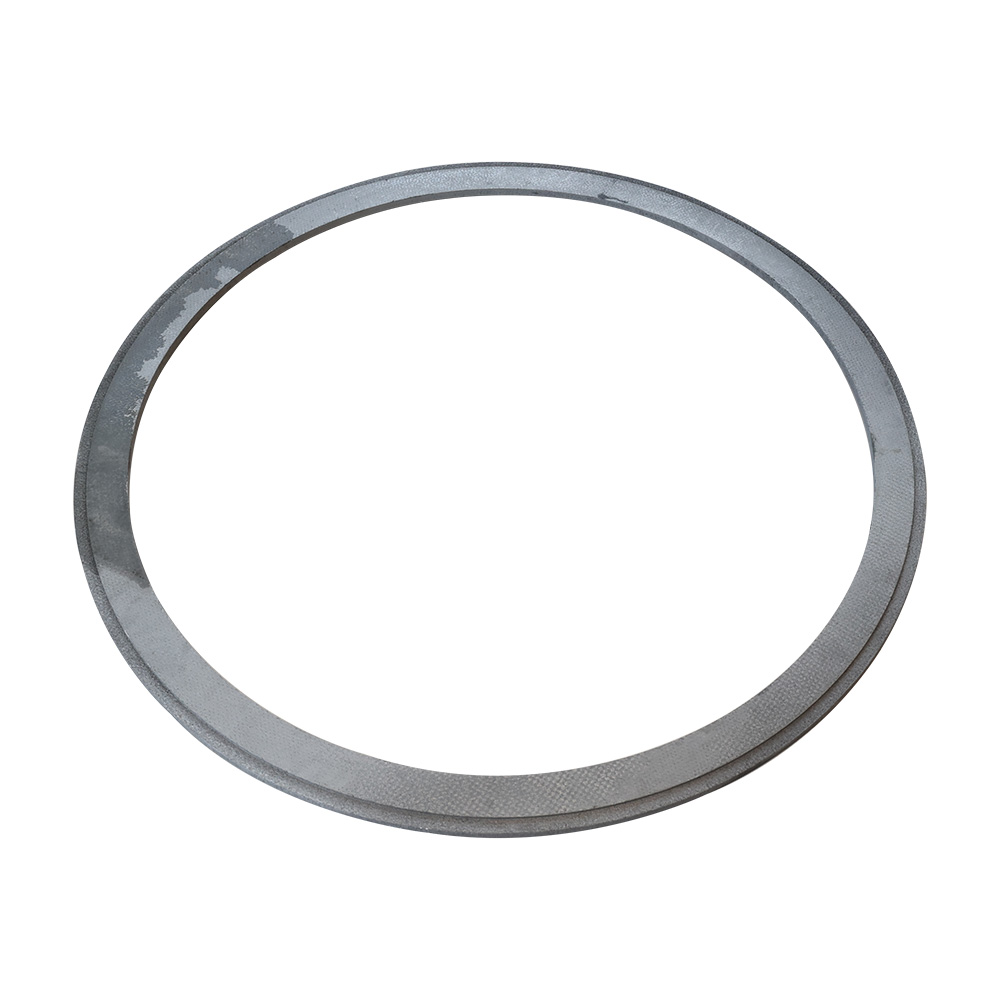
Annular Plate Type / Carbon Carbon Support Rings: Structural rings that position and retain furnace internals concentrically. Their near-zero CTE ensures the furnace assembly geometry remains stable across millions of thermal cycles.

Integral Insulation Hard Felt: Rigid carbon felt providing radial and axial thermal insulation within the furnace hot zone. Reduces power consumption and stabilizes the axial temperature gradient critical to crystal quality.

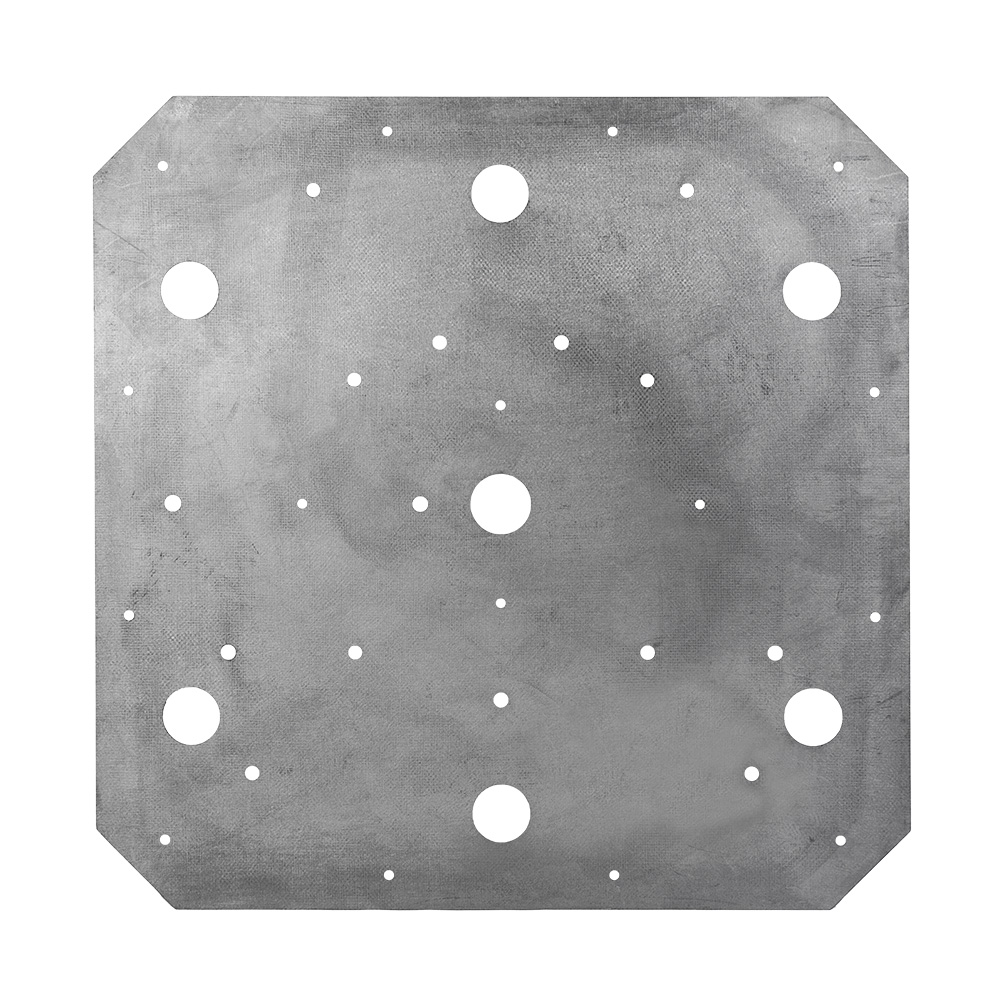
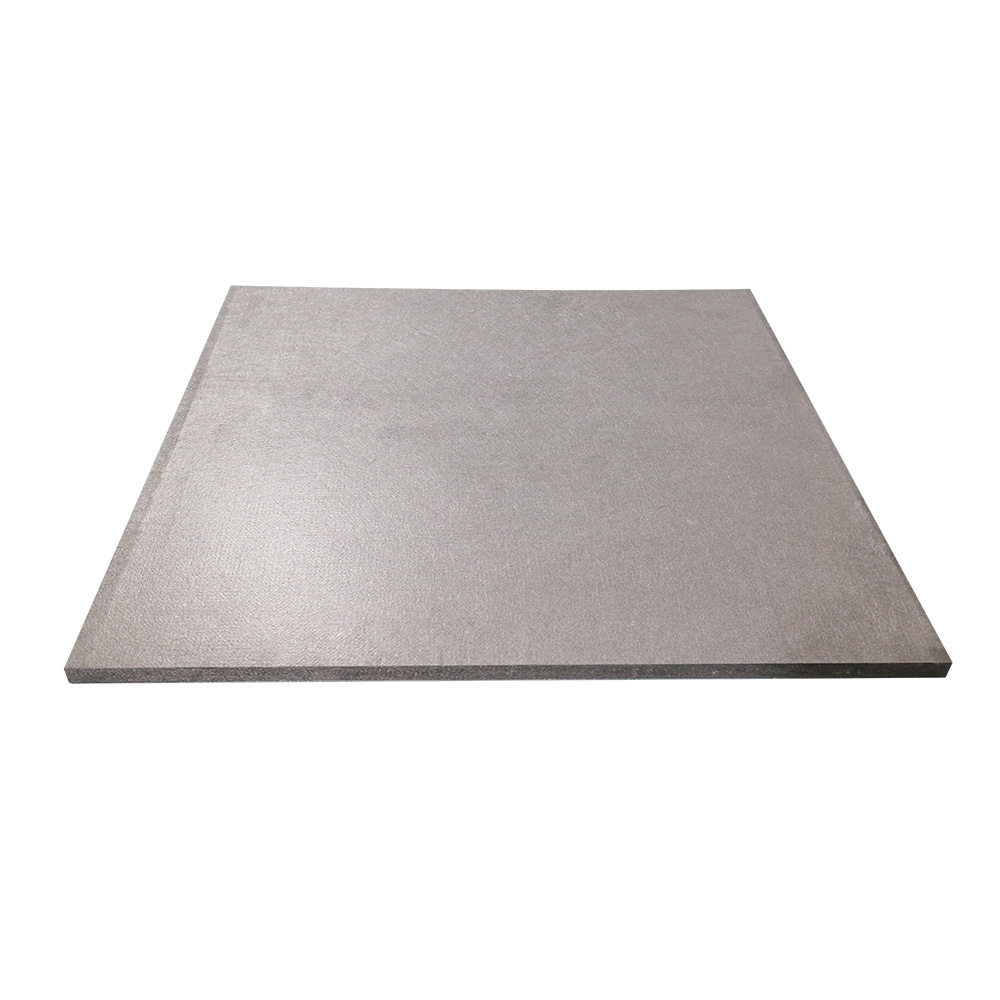
Top Plate and Protection Plate: Structural shielding components that protect interior furnace hardware and manage radiant heat distribution.

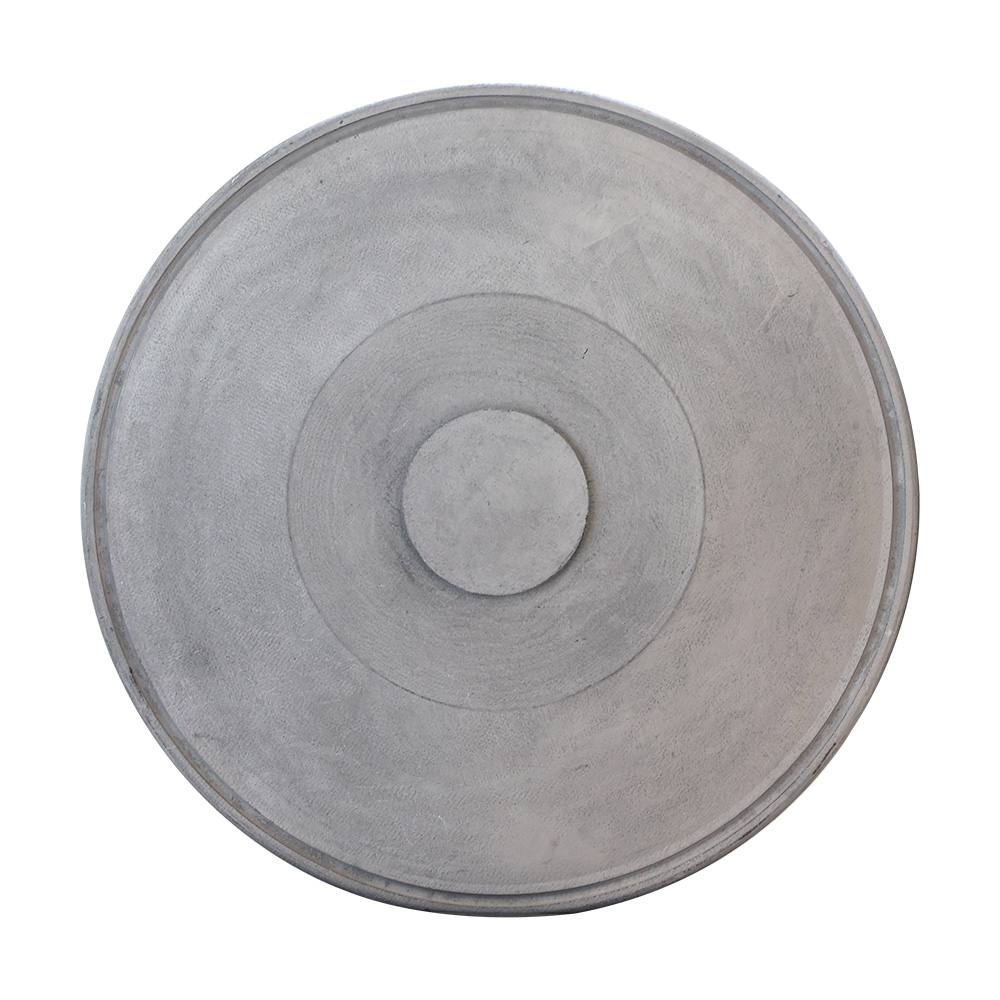
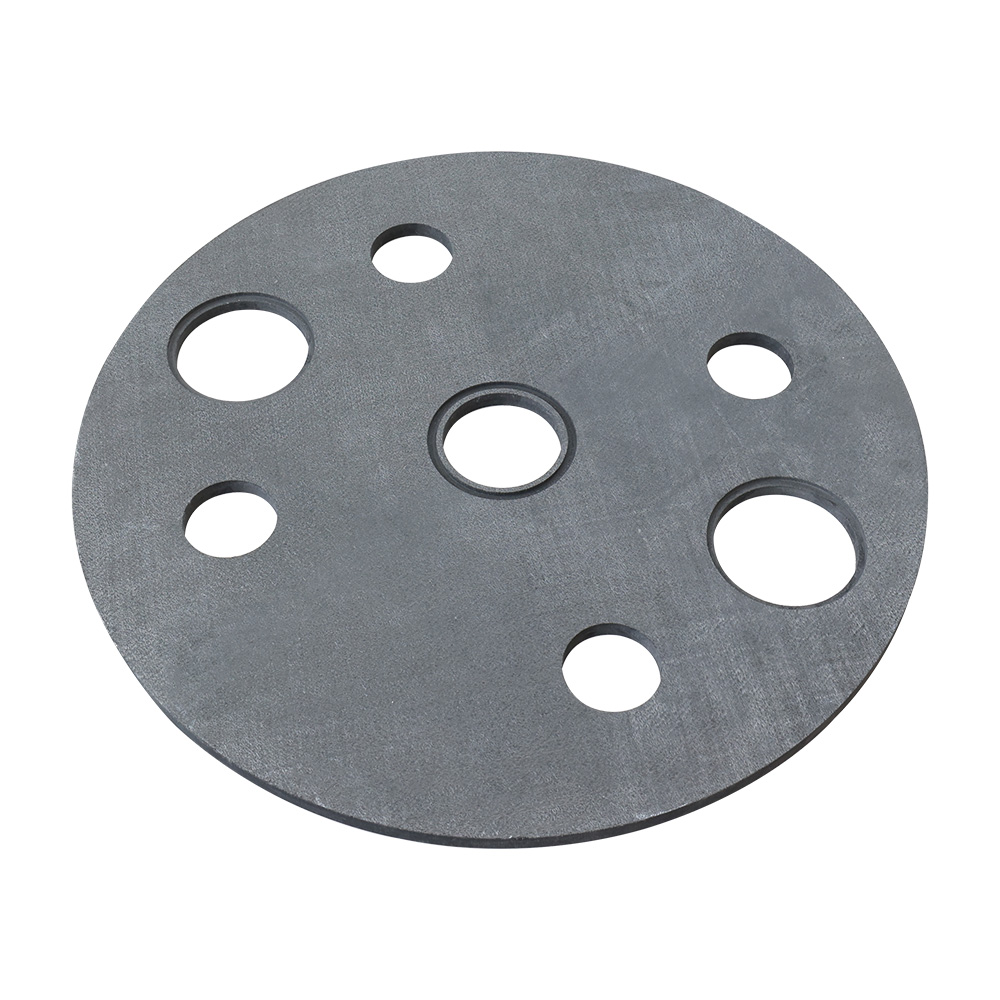
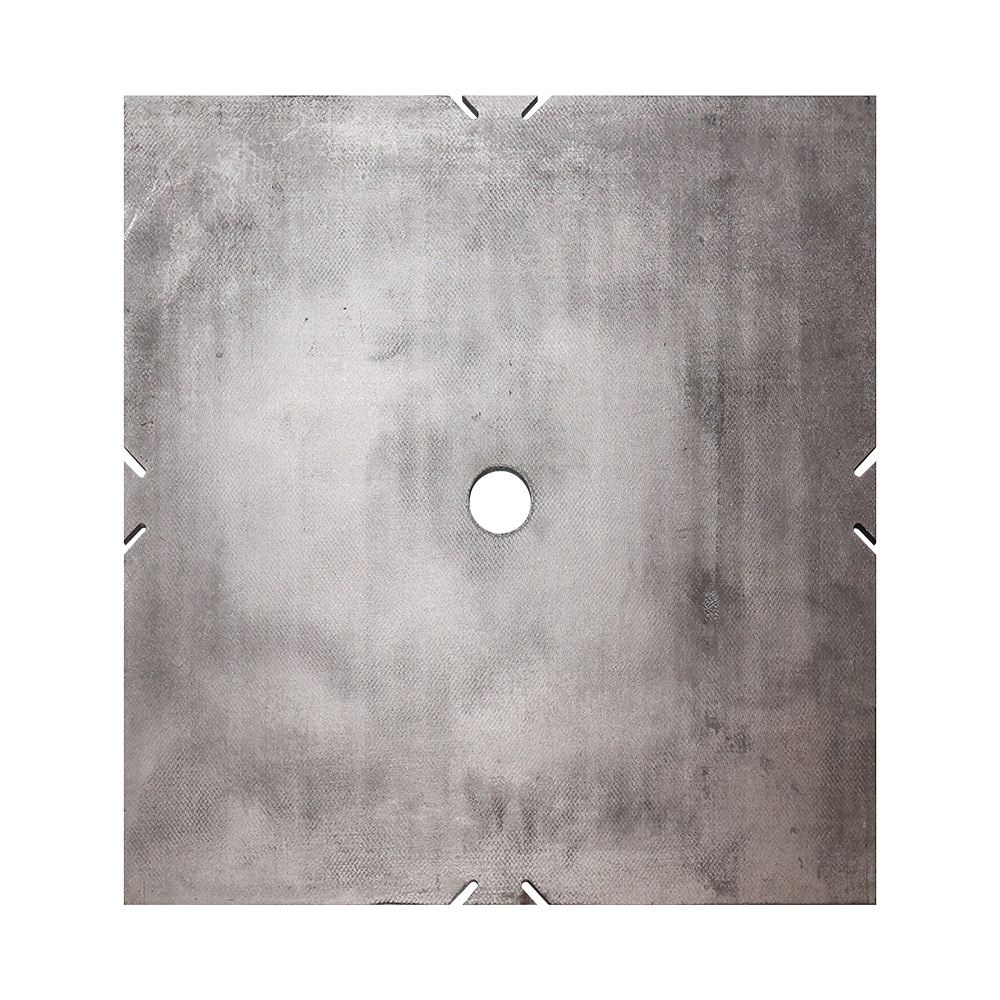
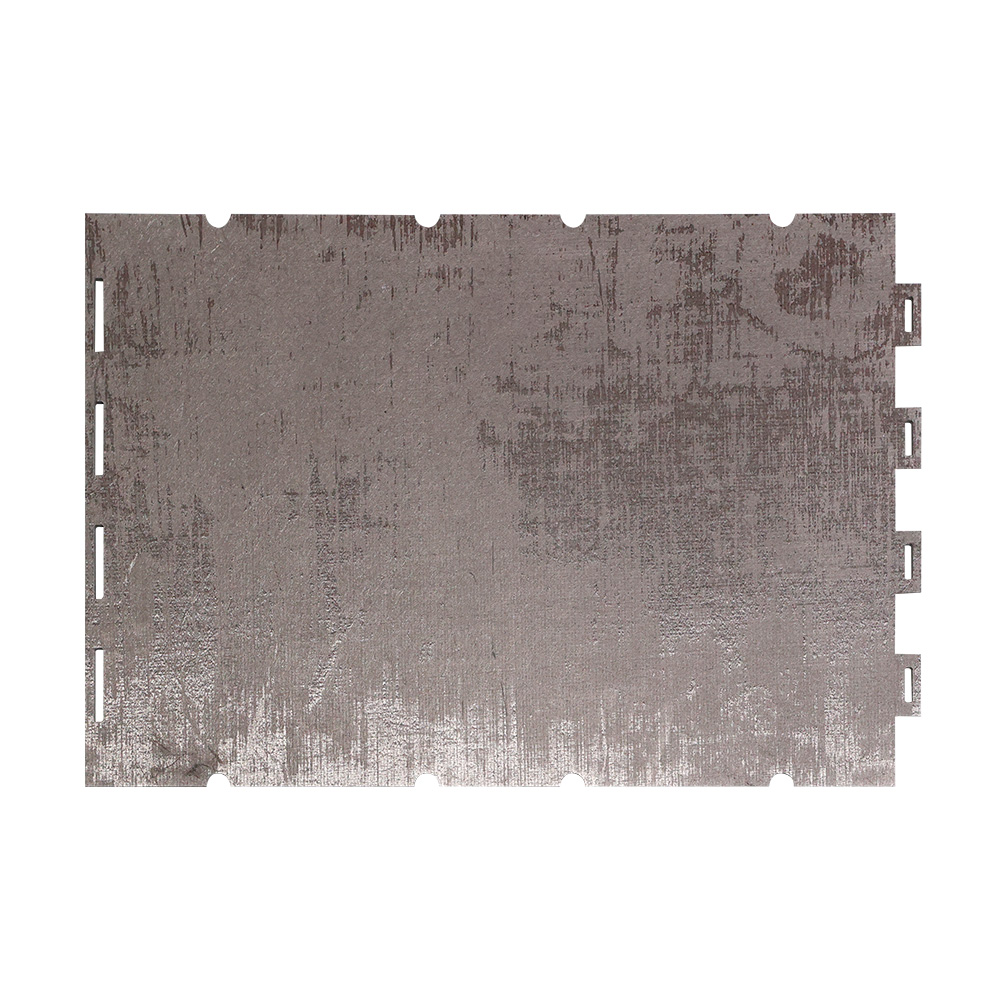
Carbon Carbon Cover Plate and Carbon Carbon Furnace Base: Foundation and enclosure components for the entire thermal field assembly.

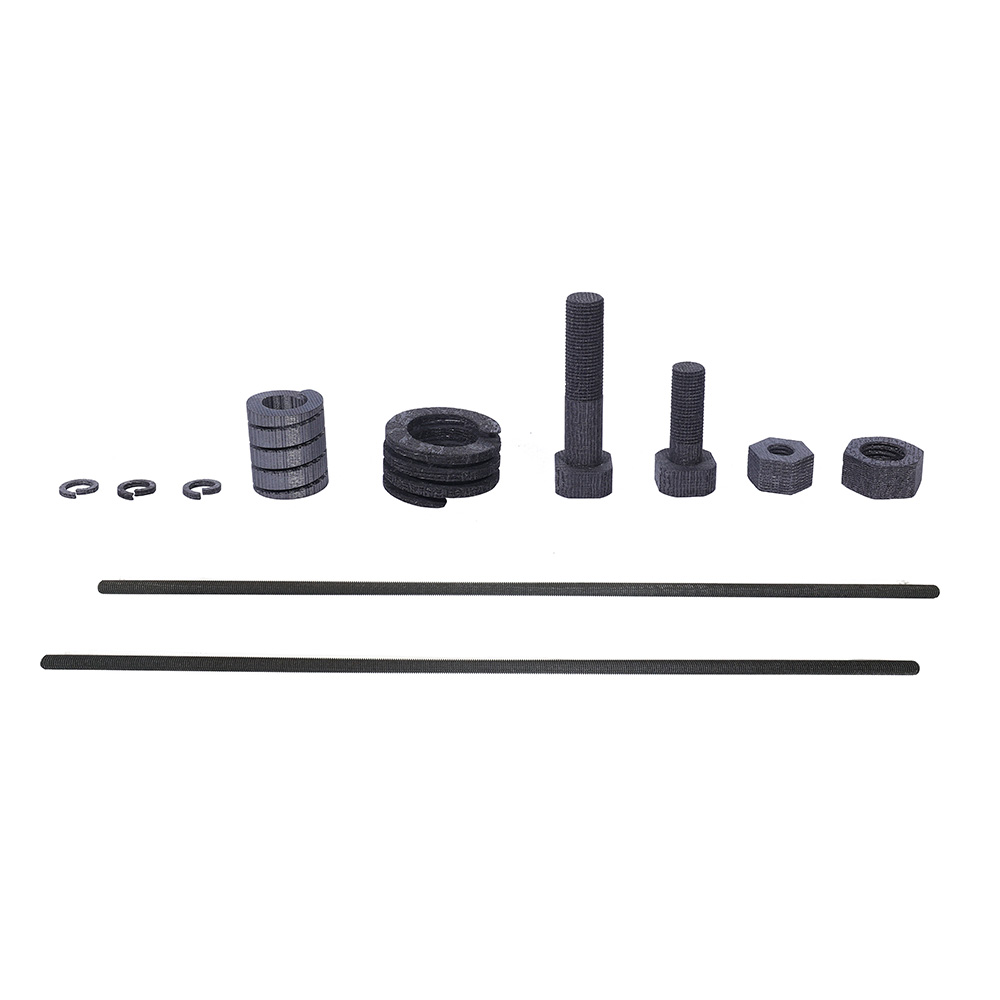
Fastener: High-temperature threaded fasteners joining C/C structural members, eliminating metal contamination risks inherent with metallic bolts at process temperatures.

HJT Substrate: Specialized carriers for heterojunction (HJT) solar cell PECVD coating processes, where low thermal mass and high temperature uniformity improve cell efficiency.

For single-crystal furnace and multi-crystalline furnace applications, the complete thermal field assembly — heater, insulation, structural supports, and fasteners — must be engineered as an integrated system to achieve target crystal quality and minimize downtime.

2. Battery Field

The rapidly scaling lithium-ion battery manufacturing sector requires high-purity, thermally stable materials for electrode sintering, electrolyte preparation, and formation cycling at elevated temperatures. C/C composite trays, boats, and setters provide contamination-free surfaces that do not interact with battery active materials, ensuring electrochemical performance is not compromised by substrate impurities.

Battery field products from Dehong serve cathode material calcination furnaces, where temperatures of 700–1100°C in air or inert atmospheres demand materials that resist both thermal fatigue and chemical interaction with lithium-containing compounds.

3. Semiconductor Field

Compound semiconductor growth (SiC, GaN, GaAs) and silicon epitaxy impose stringent purity and dimensional requirements on furnace hardware. Semiconductor field products must be free of metallic impurities at the sub-ppm level to avoid electron trap formation in device layers.

Key products for this field include:

Graphite Crucibles: High-purity graphite vessels for compound semiconductor synthesis and melt growth. Used in synthesis furnaces for III-V compound preparation, where precise stoichiometry control is critical.

Graphite Epitaxial Wafers: Susceptor components for CVD and MOCVD epitaxial reactors, providing uniform temperature distribution across the wafer batch for layer thickness and composition uniformity.

Soft Felt and Viscose-Based Hard Felt Tubes: Thermal insulation in crystal growth furnaces for SiC and GaN boules, where controlled axial temperature gradients govern crystal polytype stability.

SiC power device manufacturing is among the fastest-growing segments for C/C and graphite-based components, driven by demand for electric vehicle inverters and high-frequency power electronics.

4. Vacuum Furnace Field

Industrial vacuum heat treatment, brazing, and sintering rely on vacuum furnace field components that perform reliably at 1200–2400°C in high vacuum (10⁻³ to 10⁻⁶ mbar). C/C composites are preferred over molybdenum or tungsten for hot zone construction because of their lower cost, lower density, and superior thermal shock resistance.

Typical vacuum furnace C/C components include heating elements, hearth rails, workpiece trays, shields, and insulation packages. Low vapor pressure of carbon at process temperature ensures that furnace atmosphere purity and workpiece surface chemistry are not compromised.

5. Preform Field

Preforms are the structural precursor from which all C/C composite parts begin. Preform field products encompass needle-punched carbon fiber preforms and short fiber preforms used for brake discs, aircraft components, and industrial friction materials. The preform architecture — fiber orientation, layer sequence, needling density — determines the final composite's anisotropy, interlaminar shear strength, and wear behavior.

Dehong's preform manufacturing capability allows production of near-net-shape preforms that reduce machining waste and preserve fiber continuity in critical load paths.

Key Technical Challenges in C/C Composite Manufacturing

Oxidation at Intermediate Temperatures

The most significant limitation of unprotected C/C composites is active oxidation above 400°C in air. For furnace applications running in vacuum or inert gas, this is not a concern. For brake discs or other air-exposed structural applications, multilayer coating systems (SiC + glass-forming sealant) extend service life but add process complexity and cost.

Densification Uniformity

In large or thick components, CVI diffusion gradients cause surface over-densification before the core reaches target density. Managing gas flow, temperature uniformity, and cycle duration requires significant process engineering. LPI supplementation helps reach bulk density targets, but total cycle time for high-density components can exceed several months.

Matrix Microcracking

The mismatch in thermal expansion between fiber and matrix generates residual stress during cooldown from processing temperatures. These stresses produce a characteristic network of microcracks in the matrix that reduce interlaminar shear strength but do not propagate catastrophically — a key advantage over monolithic ceramics where crack propagation is unstable.

Machining and Tolerancing

C/C composites are machinable with diamond tooling but generate abrasive carbon dust requiring controlled handling. Tight dimensional tolerances (±0.05 mm or finer) on complex shapes such as heater slots, rod threads, and crucible holder seats require slow feed rates and careful fixturing to avoid delamination at fiber bundle boundaries.

Batch-to-Batch Consistency

Because densification involves lengthy thermal processing and multiple impregnation cycles, controlling bulk density, open porosity, and mechanical properties within narrow bands requires rigorous in-process monitoring. Dehong's quality inspection capability covers density measurement, ultrasonic C-scan for delamination detection, flexural strength testing, and ash content analysis for purity verification.

Quality Inspection and Certification Standards

Industrial C/C composite components are typically evaluated against the following criteria:

Bulk density (g/cm³): Determined by Archimedes method; target varies by application (1.60–1.95 g/cm³).

Open porosity (%): Measured by liquid intrusion; low porosity indicates complete densification and reduces oxidation risk.

Flexural strength (MPa): Four-point bend test per ASTM C1341 or GB/T equivalent.

Thermal conductivity (W/m·K): Laser flash diffusivity method; critical for heater element design.

Ash content (ppm): Acid digestion and ICP-MS for metallic impurity quantification; semiconductor-grade components require <5 ppm total metals.

Dimensional inspection: CMM verification of critical features including thread pitch, bore concentricity, and flatness.

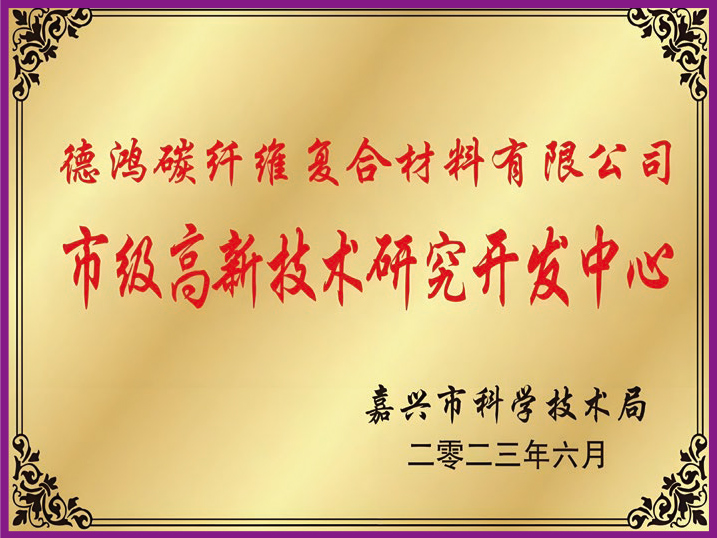
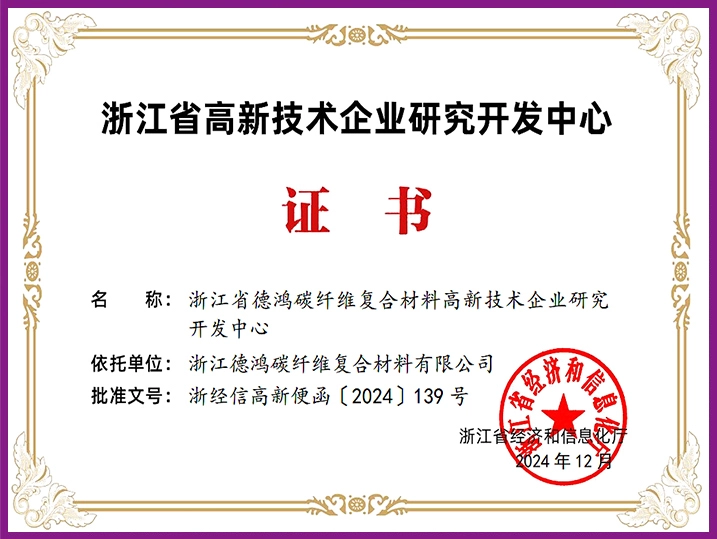
Dehong's intellectual property portfolio reflects ongoing R&D investment in process improvements that directly impact these quality metrics.

Selection Criteria: How to Choose the Right C/C Composite Component

When specifying a C/C composite component, engineers should evaluate:

Maximum service temperature and atmosphere (vacuum, inert, oxidizing)

Mechanical load type (compressive, tensile, flexural, impact)

Required density and porosity grade

Dimensional complexity and tolerancing requirements

Chemical purity requirements (standard industrial vs. semiconductor-grade)

Thermal cycling frequency and rate

Required service life and replacement interval

For photovoltaic and semiconductor applications, chemical purity and dimensional stability under thermal cycling are typically the dominant selection criteria. For vacuum furnace applications, thermal conductivity, density, and machinability govern the selection. For battery and industrial furnace applications, cost-effectiveness at scale and dimensional uniformity across large batches become primary considerations.

Industry Trends Driving C/C Composite Demand

Global demand for C/C composites is accelerating across three converging megatrends:

Solar PV Capacity Expansion: Large-diameter Czochralski furnaces (>36-inch crucible) for 210mm silicon wafer production require larger, heavier C/C thermal field assemblies. As the solar industry continues to expand globally, so does demand for high-quality photovoltaic field components that extend furnace campaign life and reduce consumable cost per wafer.

SiC Power Semiconductor Growth: Driven by EV powertrains and renewable energy inverters, SiC wafer production requires high-purity semiconductor field materials capable of withstanding 2100°C in argon during crystal growth, with minimal contamination contribution.

Battery Manufacturing Scale-Up: Gigafactory-scale cathode material production creates sustained demand for C/C and graphite trays and boats with consistent thermal performance across multi-ton batch sintering runs.

About Zhejiang Dehong Carbon Fiber Composite Material Co., Ltd.

Zhejiang Dehong Carbon Fiber Composite Material Co., Ltd. is based at No. 2222 Xinfeng Road, Weitang Street, Jiashan County, Jiaxing City, Zhejiang Province, China. The company specializes in the research, development, and manufacture of carbon carbon composite components for photovoltaic, semiconductor, battery, vacuum furnace, and preform applications.

Dehong's technical team combines materials science expertise with precision manufacturing capability, enabling delivery of both standard catalog components and fully customized parts engineered to customer specifications. The company's quality inspection system covers the full production chain from preform fabrication through final dimensional verification.

Customers seeking technical consultation, product specifications, or custom component development can reach Dehong through the contact page or by emailing gongbinbin@zhejiangdehong.com. Industry news, application case studies, and product updates are published regularly on the company news and industry news channels.

Frequently Asked Questions

What is the maximum operating temperature of C/C composites?

In vacuum or inert gas, C/C composites can be used continuously at up to 2600°C and withstand brief excursions above 3000°C. In air without protective coating, the practical limit is approximately 400°C before oxidative mass loss becomes significant.

How does C/C compare to isostatic graphite?

Isostatic graphite is less expensive and easier to machine but has lower tensile and flexural strength, lower fracture toughness, and inferior thermal shock resistance compared to C/C composites. For high-stress, high-cycle applications — such as single-crystal furnace heaters — C/C outperforms graphite in service life.

Can C/C composites be machined to custom shapes?

Yes. Diamond-tipped tooling enables precise machining of threads, slots, bores, and complex contours. Dehong provides custom-machined components for customers who require non-standard geometries.

What industries does Dehong serve?

Dehong serves the solar photovoltaic, lithium battery, semiconductor, vacuum heat treatment, and advanced materials industries. See the full product range for details by application field.